
Tordylium apulum
Tordylium apulum
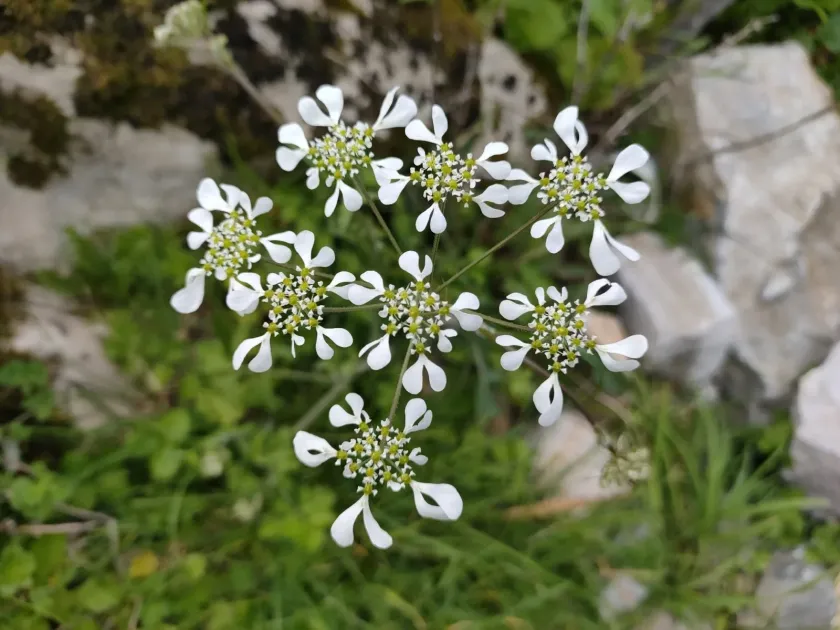
Description
Sowing dates
Tordylium apulum is an herbaceous plant belonging to the Apiaceae family, which typically follows an annual or biennial growth cycle depending on environmental factors.
The sowing process is best executed in autumn, allowing the seeds to undergo natural stratification, which is essential for ensuring high germination rates.
If spring sowing is required, seeds should be sown as soon as the soil reaches a stable temperature, ensuring they are placed at a shallow depth of 1-2 cm.
The seeds are relatively small and require consistent contact with moist soil; therefore, proper soil compaction after sowing is a critical agronomic step.
Row spacing should be maintained at 30-40 cm to allow sufficient air circulation and to facilitate mechanical weeding between rows during early growth stages.
Growing requirements
Originating from the Mediterranean basin, this plant thrives in warm climates and requires full sun exposure to achieve optimal growth and secondary metabolite production.
The ideal soil profile consists of well-drained, porous soils that prevent waterlogging, as the species is highly susceptible to root diseases in overly saturated conditions.
Soil pH should ideally be neutral to slightly alkaline, mimicking the limestone-rich environments where the plant is commonly found in the wild.
Although the plant exhibits some drought tolerance, supplemental irrigation during the peak growing season ensures more robust leaf development and uniform flowering.
Tordylium apulum does not have high nutritional demands, but organic matter incorporation into the soil before planting provides a steady nutrient supply.
Main diseases and pests
The primary threats include fungal pathogens such as powdery mildew and root rot, which are particularly prevalent during periods of high humidity and stagnant air.
Pest pressure from aphids is common, as these insects frequently colonize the tender flower buds and young foliage, weakening the plant's structural integrity.
Insects like the parsnip moth or other umbelliferous feeders can cause significant damage to the developing seed heads, reducing the overall yield of the crop.
Integrated pest management strategies, such as biological control and the removal of host weeds, are recommended to minimize the reliance on chemical applications.
Crop rotation remains the most effective prophylactic measure against soil-borne pathogens, ensuring that the field is not replanted with Apiaceae species for several years.
Harvesting
Harvesting the aerial parts of the plant is best timed at the onset of the flowering stage, which ensures maximum essential oil concentration within the tissues.
For seed harvesting, timing is critical; producers must monitor the umbels and collect them when they turn brown to prevent losses due to seed shattering.
Post-harvest processing involves drying the plant material in well-ventilated, shaded environments to preserve the volatile compounds responsible for its aroma.
After reaching the desired moisture content, the seeds are threshed and cleaned, then stored in dark, airtight containers to ensure long-term viability and quality.
The final product is utilized in culinary practices as a distinctive spice, as well as in traditional herbal preparations for its characteristic aromatic profile.