
Hartswort
Tordylium maximum
Description
Growing requirements
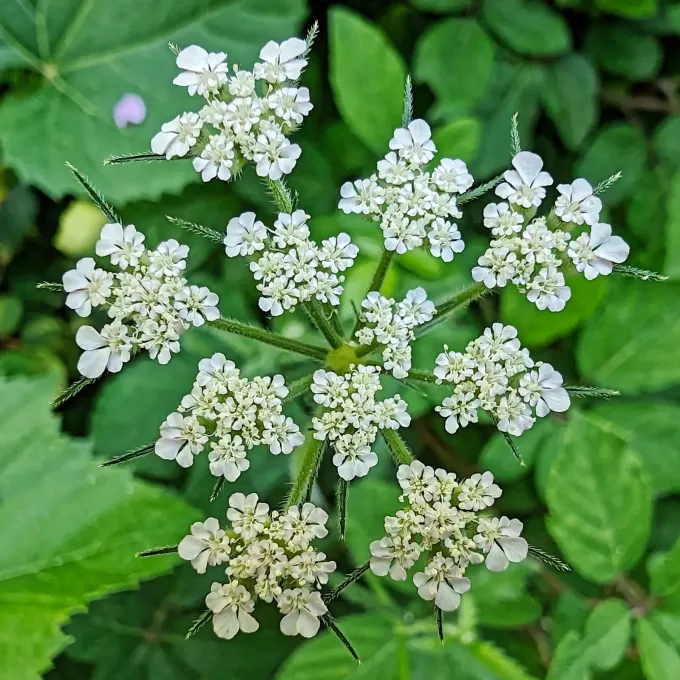
Hartswort (Tordylium maximum) is an annual or biennial herbaceous plant belonging to the Apiaceae family. It is characterized by its hairy stems, which can grow up to a meter in height, and intricate, pinnate leaves that are typical of many members of the parsley family.
The plant originates from the Mediterranean region, Central Europe, and parts of Western Asia. It thrives in sunny, open habitats such as dry meadows, fields, and along roadsides, where it can compete effectively with other herbaceous vegetation for sunlight and nutrients.
Agricultural requirements for Hartswort include well-drained, fertile soil, ideally with a slightly alkaline pH. The plant is drought-tolerant once established but performs best when soil moisture is consistent during the early vegetative stages, preventing premature bolting.
In farming practices, Hartswort is primarily valued as an ecological asset. It serves as an important nectar source for pollinators, including bees and beneficial parasitic wasps, which contribute to the natural pest control of adjacent agricultural crops.
While not a major commercial crop, it is sometimes included in conservation seed mixes to enhance biodiversity. Cultivation involves preparing a loose seedbed and ensuring adequate spacing to prevent resource competition, particularly during the rapid growth phase.
Main diseases and pests
The main pathological threats to this species involve fungal pathogens, particularly powdery mildew, which can colonize foliage in humid environments. Proper air circulation and avoiding dense sowing density are the primary cultural practices to prevent these infections.
Pests such as aphids and specialized leaf miners can impact growth. Integrated pest management strategies, focusing on habitat preservation for natural predators, are often sufficient to keep these populations below the economic threshold of damage.