
Tordylium cordatum
Tordylium cordatum
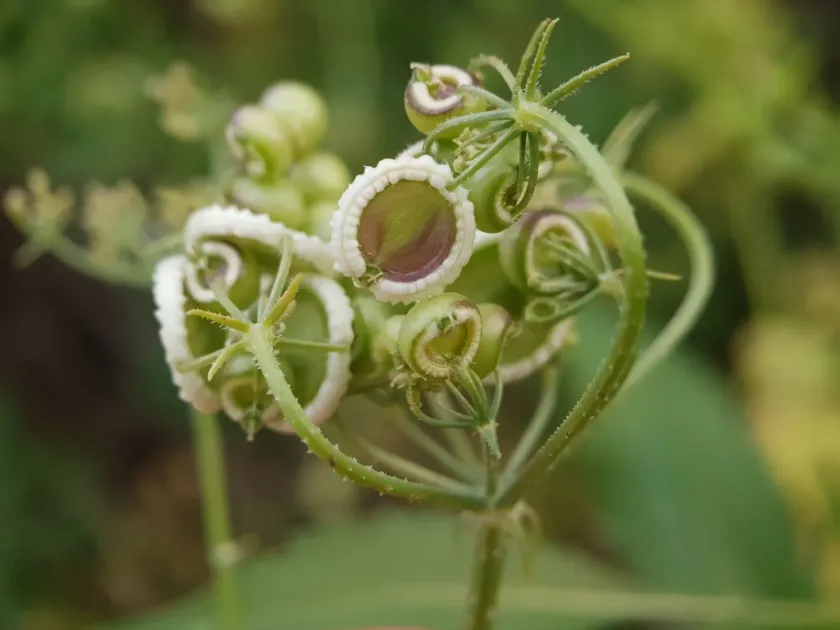
Description
Sowing dates
Tordylium cordatum is an annual plant belonging to the Apiaceae family. It is native to the Mediterranean basin and possesses distinct biological characteristics suitable for specific agricultural niches.
Sowing should take place in mid-spring, once soil temperatures consistently reach 10–12°C. The seeds require a shallow planting depth of 1.5 to 2 centimeters for uniform germination.
Preparing a fine-textured seedbed is essential for this species. Proper soil cultivation eliminates weeds and ensures that the delicate seeds have adequate contact with moist soil particles.
Optimal spacing consists of rows set 45 centimeters apart. This configuration provides enough aeration for the plants and simplifies mechanical weeding processes throughout the growing season.
As a sun-loving species, the crop performs best in open fields with full exposure to daylight. Avoid planting in areas prone to late spring frosts, which can damage emerging seedlings.
Growing requirements
The culture thrives in well-drained, fertile soil types, particularly sandy loams. Good soil drainage is critical to prevent the root rot commonly associated with the Apiaceae family.
The plant demonstrates a preference for neutral to slightly alkaline pH levels. Soil testing prior to sowing is recommended to ensure the availability of essential micronutrients.
Water requirements are moderate, with a need for consistent moisture during the early development phase. Once established, the plants are relatively resilient to short-term dry spells.
Fertilization strategy should prioritize potassium and phosphorus to enhance root strength and promote healthy seed development. Excess nitrogen may lead to vegetative overgrowth, which is undesirable.
Optimal growth occurs at temperatures between 20°C and 25°C. Excessive heat stress during flowering can lead to reduced seed yields, making it important to maintain soil moisture.
Main diseases and pests
Fungal infections, specifically powdery mildew, represent the primary threat under high humidity conditions. Implementing wider spacing and avoiding waterlogging are effective preventive measures.
Pests such as aphids and leaf-sucking bugs can damage young shoots. Early monitoring and the use of integrated pest management (IPM) techniques help prevent significant crop loss.
Crop rotation is essential to prevent the buildup of soil-borne pathogens. The field should not be used for other Apiaceae family members for at least three seasons after harvest.
Mechanical damage to roots during weeding should be avoided, as open wounds are entry points for soil pathogens. Shallow cultivation methods are preferred for this reason.
Maintaining strong plant vigor through appropriate irrigation and nutrient management is the best defense against both diseases and environmental stress factors.
Harvesting
Seed harvesting is conducted when the umbels show signs of maturity, turning from green to a light brown hue. Early harvesting is necessary to prevent natural seed dispersal.
Vegetative material harvesting for medicinal purposes occurs during the budding phase. This is when the plant's essential oils and active compounds are at their peak concentration.
Post-harvest, the material must be dried in a well-ventilated, shaded environment. Excess heat should be avoided to prevent the degradation of volatile aromatic compounds.
Cleaning the seeds involves mechanical sieving to remove debris. Properly cleaned and dried seeds show higher viability rates for future planting cycles or industrial use.
Storage requires cool, dry conditions in breathable packaging. This prevents moisture accumulation and protects the harvest from mold and other storage pests for up to two years.