
Tordylium syriacum
Tordylium syriacum
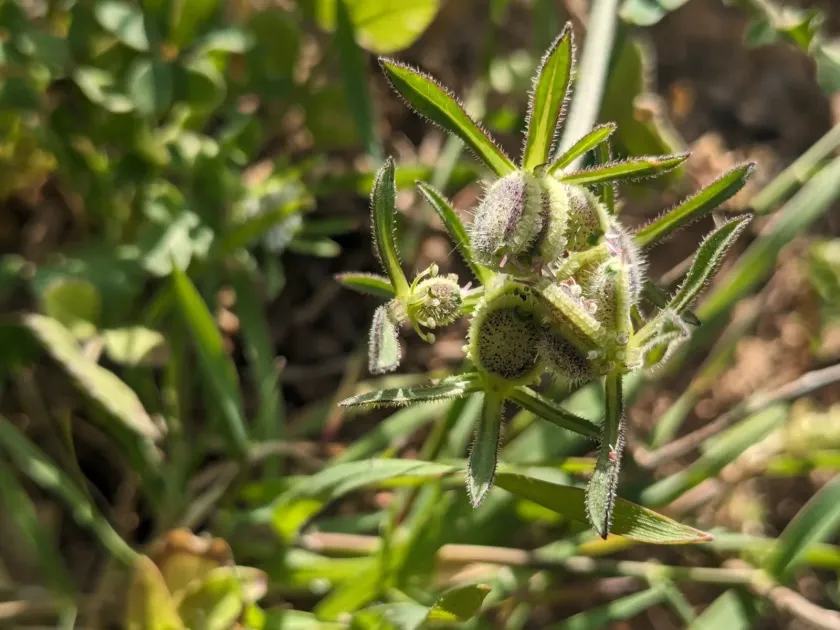
Description
Growing requirements
Tordylium syriacum is an annual herbaceous plant belonging to the Apiaceae family. It is characterized by its distinct pinnate foliage and compound umbel inflorescences, typical of the carrot family.
Native to the Eastern Mediterranean and the Levant, this species is well-adapted to Mediterranean-type climates, characterized by hot, dry summers and mild, wet winters. Its natural habitats include meadows and scrublands.
For optimal growth, the crop requires well-drained, fertile soil with a neutral to slightly alkaline pH. Compacted or waterlogged soils significantly impede root development and increase the risk of decay.
Sunlight is the most critical environmental factor for this species; it requires full sun exposure to maximize the production of essential oils and biomass. Shaded areas lead to spindly stems and reduced vitality.
Agricultural management involves precise seedbed preparation to ensure uniform germination. Irrigation should be managed carefully to avoid surface crusting, which can be detrimental to emerging seedlings.
Main diseases and pests
The crop is susceptible to various fungal pathogens, most notably powdery mildew, which thrives in conditions with high humidity and poor air circulation within the plant canopy.
Pest pressures primarily include aphids and lepidopteran larvae. These insects can cause extensive damage to the foliage and developing flower heads if left unmanaged during the early growth stages.
Root-knot nematodes can pose a significant threat in intensive cropping systems. Crop rotation is essential to prevent the buildup of soil-borne pests and maintain overall soil health.
Control strategies involve a combination of biological pest management and the strategic use of approved pesticides. Scouting for early signs of infestation is vital for effective crop protection.
Maintaining proper plant spacing is recommended to promote airflow and light penetration, which acts as a natural deterrent against many humidity-related fungal diseases.