
Spuriopimpinella brachycarpa
Spuriopimpinella brachycarpa
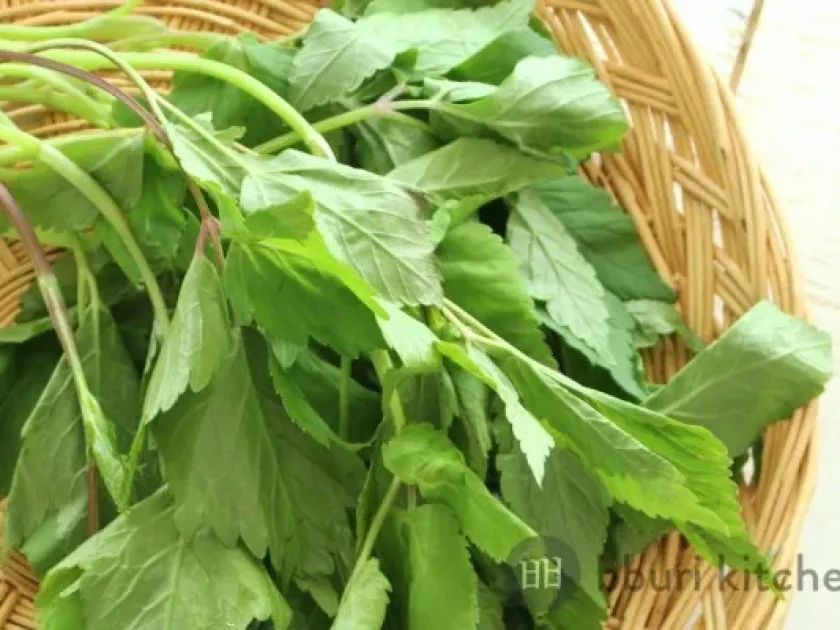
Description
Sowing dates
The planting of Spuriopimpinella brachycarpa, widely known as chamnamul, is typically initiated in early spring when the soil temperature becomes suitable for germination.
For commercial or home cultivation, seeds should be sown in well-prepared, loose soil to encourage the rapid development of the root system.
Direct seeding in the soil is common, but starting plants in trays as seedlings can provide a head start in regions with shorter growing seasons.
Depth of planting is crucial; seeds should be covered with a thin layer of soil, no more than 1.5 cm deep, to allow for optimal light penetration.
Maintaining proper spacing between rows is essential to facilitate air circulation and ensure each plant has enough nutrients for robust growth.
Growing requirements
This crop thrives best in partially shaded locations, as direct, harsh sunlight can cause the leaves to lose their desirable tenderness and flavor.
The soil must be rich in organic matter and possess excellent drainage capabilities, as waterlogged conditions are highly detrimental to the roots.
Regular moisture levels are necessary for healthy plant development, particularly during the peak of summer when transpiration rates are highest.
Moderate temperatures are ideal for this perennial species, which generally prefers cooler climates over intense heat or drought conditions.
A balanced pH level in the soil helps in the efficient uptake of essential nutrients, leading to more vigorous growth and greener foliage.
Yield
Yield production is significantly influenced by the frequency of harvesting, as regular trimming stimulates the plant to produce new, fresh growth.
When grown in nutrient-rich soil and provided with consistent irrigation, the plant can produce high volumes of leafy greens throughout the season.
Mature plants, especially from the second year onwards, tend to offer a more consistent and larger harvest compared to first-year seedlings.
Efficient management of the harvest schedule allows for continuous production, providing a steady supply of fresh herbs over several months.
Applying organic fertilizers post-harvest helps replenish the soil and supports the plant's ability to regenerate quickly for subsequent cuts.
Main diseases and pests
Fungal diseases related to excessive humidity and poor airflow in the canopy are the primary threats to the health of this aromatic herb.
Pests such as aphids and spider mites can infest the foliage, making regular monitoring and early intervention necessary for protection.
Root rot is a critical concern, usually resulting from inadequate drainage or over-watering, which can lead to quick loss of plant stands.
Weed control is essential, as competing vegetation can harbor pathogens and steal resources, weakening the primary crop significantly.
The use of mild biological pesticides is recommended to protect the safety of the leaves, which are intended for direct fresh consumption.
Harvesting
Harvesting should occur when the leaf rosettes reach the appropriate height, typically around 15-20 cm, ensuring the best culinary quality.
Using sharp tools to cut the stems near the base helps preserve the plant's structural integrity and promotes better regrowth for future cycles.
Post-harvest care involves immediate cooling of the leaves to maintain their signature aroma, texture, and nutritional value for the consumer.
Frequent, smaller harvests are preferred over rare, large cuts to ensure a constant supply of high-quality, tender greens for the kitchen.
The visual quality of the harvested product, defined by its vibrant green color and turgidity, is a key indicator of correct harvest timing.