
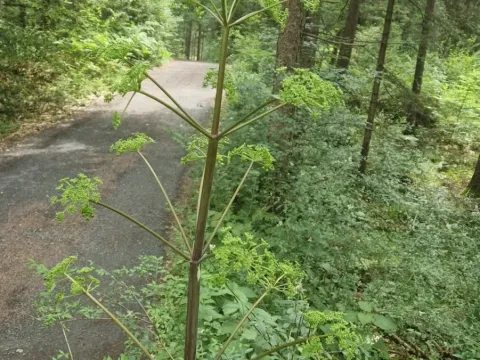
Peucedanum verticillare
Peucedanum verticillare
Peucedanum verticillare is a perennial plant typically propagated by seeds. For optimal results, seeds should be sown in late autumn, allowing for natural winter stratification, which significantly improves spring germination rates.
What the section contains
Peucedanum verticillare
If spring sowing is planned, seeds require artificial stratification in moist sand at temperatures between 2–5 degrees Celsius for approximately two months prior to planting in the open field.
Sowing depth should be kept at 1–2 centimeters. Maintaining consistent soil moisture is crucial during the germination phase, as the initial growth stage of the seedlings is slow and vulnerable to drought conditions.
Belonging to the Apiaceae family, this species requires ample space to develop its characteristic large, deeply dissected leaves and tall, robust flowering stalks. Plant spacing should be at least 60–80 cm between rows.
The establishment of a healthy crop depends on selecting high-quality, viable seeds and preparing the soil bed to be free of perennial weeds that could outcompete the young seedlings in their first year.
This crop thrives in sunny locations, though it can tolerate partial shade. Full exposure to light is necessary to support its impressive growth, as the plant can reach heights of over two meters.
The ideal soil profile for Peucedanum verticillare consists of deep, fertile, well-drained loams with a neutral or slightly alkaline pH. Drainage is a critical factor for long-term plant health.
Waterlogging is detrimental to the root system, often leading to rot. Consequently, areas prone to seasonal flooding or heavy clay soils without proper drainage improvements are unsuitable for cultivation.
The plant is relatively frost-hardy and well-adapted to temperate climates. In colder regions with severe winters and little snow cover, applying organic mulch around the base of the plant provides extra protection.
Standard agronomic practices include mechanical weeding between rows and balanced fertilization. Providing sufficient nutrients during the rapid growth phase in late spring enhances both biomass production and seed set.
Powdery mildew is a common concern, especially during periods of high humidity and poor air circulation. To manage this, ensure appropriate spacing between plants and utilize preventative fungicide applications if necessary.
Root rots caused by soil-borne pathogens are a major threat, particularly in poorly drained soils. Adhering to strict crop rotation cycles, where the plant is not returned to the same plot for 4+ years, is essential.
Pests such as aphids and various plant bugs can infest the foliage, sucking vital nutrients from the leaves. Integrated pest management strategies, including the use of selective insecticides, help keep populations under control.
Larvae of moths specializing in Apiaceae can damage the developing flower heads, potentially reducing seed yields. Scouting for these insects during the bud development stage is a key part of monitoring.
A proactive approach to crop health, including balanced fertilization and timely interventions, ensures the plant reaches its full potential. Healthy, vigorous plants demonstrate much greater resistance to common agricultural stressors.