
Physospermum
Physospermum
Physospermum is a genus of perennial herbaceous plants belonging to the Apiaceae family. Native to various regions of Europe and the Caucasus, these plants typically inhabit woodland margins, rocky slopes, and shaded areas where the soil maintains consistent moisture levels.
What the section contains


Physospermum
The culture features a robust root system, allowing it to adapt to diverse soil conditions, including calcareous and loamy types. While it possesses good drought tolerance, optimal growth is achieved in humus-rich, well-drained soils, which promote the development of its signature leaf rosettes.
Regarding climatic requirements, Physospermum is recognized for its frost hardiness, successfully surviving cold winters in temperate zones without requiring special protection. It thrives in regions with moderate temperatures and sufficient rainfall during the primary growth cycle in spring and early summer.
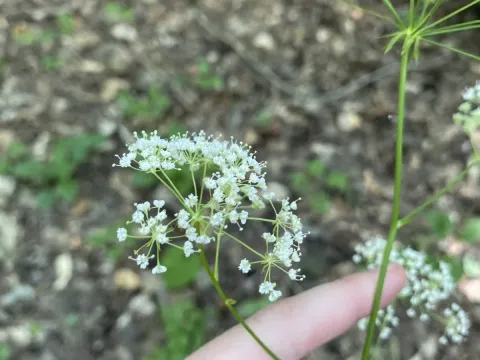
Botanically, the plant is characterized by its delicate, intricately dissected leaves and tall stems that support compound umbels with small white flowers. This structural complexity makes it an attractive choice for naturalistic planting schemes and perennial garden borders.
The primary agricultural and horticultural use of Physospermum is decorative, owing to its architectural form. Furthermore, it is being evaluated for its potential in medicinal chemistry, as the tissues of various species contain specific volatile oils and compounds of interest to researchers.
The plant is susceptible to several fungal diseases, particularly powdery mildew and leaf spot pathogens, which typically emerge under conditions of high humidity or poor air circulation. Proper spacing and ensuring excellent soil drainage are crucial strategies for disease prevention.
Pests that commonly affect Apiaceae, such as aphids and carrot rust flies, may also target Physospermum if not managed correctly. Implementing integrated pest management, including regular weeding and habitat maintenance, is essential for preserving the health and aesthetic value of the planting.