
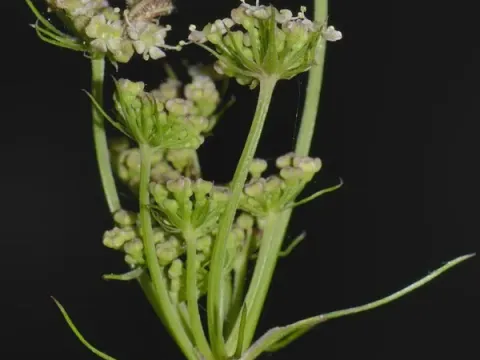
Peucedanum lancifolium
Peucedanum lancifolium
Peucedanum lancifolium is a perennial herbaceous plant belonging to the Apiaceae family. It is recognized for its historical use and potential in specialized agricultural sectors, thriving in temperate regions across its natural Eurasian distribution.
What the section contains
Peucedanum lancifolium
The plant requires well-drained, fertile soil, preferably with a neutral pH. It is highly sensitive to waterlogging, which can cause root decay, necessitating careful site selection with adequate soil aeration and slope drainage.
Cultivation practices demand full sunlight to partial shade exposure. In full sun, the plant reaches its maximum height and produces the most robust biomass, which is essential for pharmaceutical or culinary extraction purposes.
The plant demonstrates significant hardiness against cold weather and can survive harsh winters if the root system is well-established. It requires a balanced fertilization program rich in organic matter to support perennial growth cycles.
Water management is critical during the initial establishment phase. Once the plant has developed a deep taproot system, it exhibits moderate drought tolerance, although consistent moisture yields better foliage development.
The primary pathological threats to Peucedanum lancifolium include fungal infections such as powdery mildew, which thrive in humid, stagnant air conditions within dense crop stands.
Pests such as aphids and leaf miners are frequent concerns. These insects damage the foliage, leading to reduced photosynthetic capacity and making the plant susceptible to secondary infections.
Root-feeding pests, including wireworms, pose a severe risk to the longevity of the perennial crop, as they compromise the structural integrity of the taproot and hinder nutrient uptake.
Effective pest management relies on strict crop rotation and the maintenance of clear field borders to reduce the habitat available for insect populations and pathogenic fungi.
Farmers should implement scouting protocols early in the season to detect and address infestations before they reach the economic injury level, utilizing sustainable control methods.