
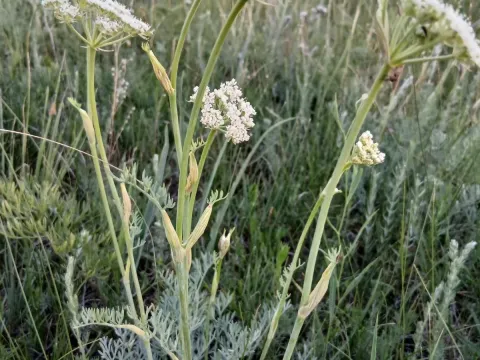
Phlojodicarpus
Phlojodicarpus
Sowing Phlojodicarpus seeds is most effectively performed during the autumn period, allowing for natural winter stratification which is critical for successful germination.
What the section contains

Phlojodicarpus
The planting site must be carefully prepared by deep tillage to allow the root system of the plant to penetrate the soil without restriction during its growth.
When choosing the sowing method, farmers should aim for spaced rows to facilitate mechanized or manual weed control during the early stages of plant development.
For spring cultivation, seeds must be subjected to controlled cold stratification for at least 60 to 90 days prior to planting in order to break seed dormancy.
Seed depth should be kept shallow, typically no more than one centimeter, to ensure the emerging seedlings can successfully reach the surface and establish.
Phlojodicarpus belongs to the Apiaceae (Umbelliferae) family and is a perennial plant typically found in steppes and stony landscapes in its natural habitat.
The plant thrives in well-drained, sandy, or rocky soil types and possesses a high tolerance for drought conditions once the root system is established.
Adequate sunlight exposure is the most important environmental factor for this species, as it significantly influences the accumulation of secondary metabolites.
This crop is known for its remarkable winter hardiness, allowing it to withstand extreme temperature drops in regions where other crops might fail to survive.
Farmers are advised to keep the soil surface loose and free from weeds, especially in the first year of growth, to minimize competition for nutrients and water.
The primary agricultural objective for Phlojodicarpus is the harvesting of its roots and rhizomes, which are valued for their pharmaceutical and medicinal properties.
Harvesting should be delayed until the third or fourth year of plant growth to ensure that the roots have reached a high density of active medicinal compounds.
The harvest timing is generally scheduled for the late autumn months, corresponding with the senescence of the plant's aerial biomass and dormancy.
Post-harvest handling involves thorough cleaning of the roots to remove all soil debris, followed by slicing to ensure consistent and rapid drying of the material.
Drying must be conducted in controlled environments at moderate temperatures to maintain the integrity of the essential components and prevent active ingredient loss.