
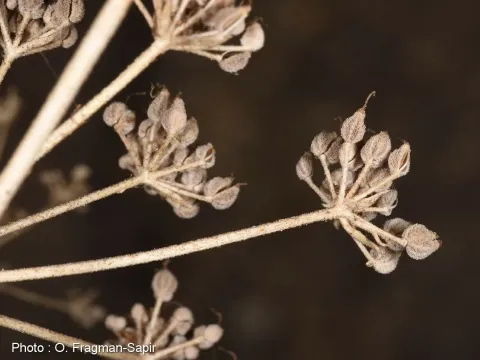
Pimpinella corymbosa
Pimpinella corymbosa
Pimpinella corymbosa is a perennial herbaceous plant belonging to the Apiaceae family. In agricultural practice, sowing is typically performed in the spring when soil temperatures reach 8-10 degrees Celsius, ensuring optimal seed germination.
What the section contains
Pimpinella corymbosa
Autumn sowing is possible in regions with mild climates, allowing seeds to undergo natural stratification in the soil, which stimulates uniform sprouting in early spring. The seeding depth should not exceed 1.5-2 centimeters due to the small size of the seeds.
Sowing is carried out in rows with spacing of 45 to 60 centimeters to facilitate maintenance and weed control. Maintaining proper plant density is crucial for the development of a robust leaf rosette, ensuring adherence to recommended agricultural norms for this species.
After sowing, the field should be compacted to ensure good contact between seeds and soil moisture. Seedlings often emerge slowly, making it critical to prevent the upper soil layer from drying out during the critical germination phase.
The seeds of Pimpinella corymbosa maintain high germination vigor for the first 2-3 years, making the use of fresh planting material essential for successful establishment of a productive plant population.
The crop prefers well-drained, light-textured soils with a neutral or slightly alkaline pH. Pimpinella corymbosa does not tolerate waterlogging, making slopes or elevated sites the most rational choice for commercial cultivation.
The plant is light-loving, so open and sun-exposed sites should be chosen for industrial production. Excessive shade can lead to a decrease in essential oil concentration in plant tissues and slow down vegetative development.
The crop is relatively cold-tolerant and does not have extreme temperature requirements, though active growth is most pronounced in a temperature range of 18 to 24 degrees Celsius.
Fertilizer application should be moderate; an excess of nitrogen compounds can promote excessive vegetative growth at the expense of root system quality and the accumulation of biologically active substances. Phosphorus-potassium fertilizers are preferred.
The irrigation system should be moderate and adapted to the plant's growth phases. While the crop shows resistance to short-term moisture deficits, regular irrigation significantly enhances overall productivity and product quality.
The main phytopathological risks are associated with root rot development under conditions of excessive soil moisture. This makes proper drainage and crop rotation essential to prevent the accumulation of pathogens in the field.
The crop can be susceptible to powdery mildew, which develops during periods of high humidity and significant temperature fluctuations. Prevention involves thinning the rows to ensure adequate airflow and ventilation.
The most dangerous pests are umbelliferous moths and aphids, which damage inflorescences and young leaves. Integrated pest management methods are recommended, prioritizing minimal pesticide use to maintain ecosystem health.
Fungal infections, such as septoria leaf spot, require immediate removal of affected plant parts to prevent further spread. Regular weeding also reduces the risk of infection, keeping the crop healthy.
- Systematic monitoring of crop health.
- Strict adherence to crop rotation cycles.
- Sanitary removal of infected plants from the plot.
The harvest is conducted during the mass flowering phase, when the concentration of essential oils and beneficial compounds reaches its peak. At this time, the aroma is most intense, making it ideal for downstream processing.
For industrial purposes, mechanical harvesting is preferred. Once cut, the plant material should be quickly transported to the drying facility to prevent self-heating and loss of quality.
Drying is carried out in well-ventilated areas or specialized dryers at temperatures not exceeding 40 degrees Celsius, preserving valuable organic compounds and preventing thermal degradation.
After drying, the raw material undergoes processing, which includes seed separation or size reduction of vegetative parts depending on the specific application. It is important to protect the cut material from direct sunlight during the drying process.
Storage of the finished product should be in airtight containers in a cool, dry place. Adhering to these conditions ensures the retention of the raw material's commercial and pharmacological quality for an extended period.