
Spignel
Meum athamanticum
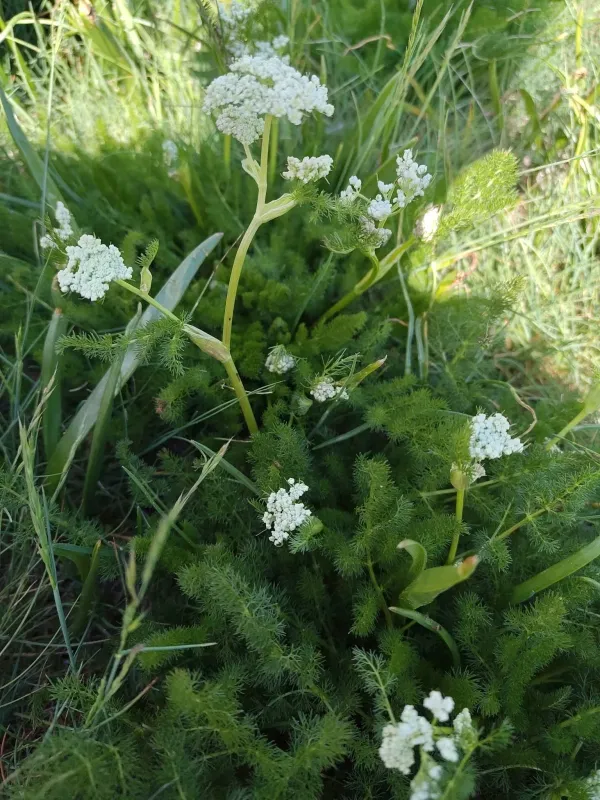
Description
Sowing dates
Sowing Spignel (Meum athamanticum) seeds in temperate climates is best performed in late autumn, as the seeds require cold stratification to germinate successfully. If spring sowing is planned, seeds must be pre-chilled in a refrigerator at temperatures between +2 and +5 degrees Celsius for 4-6 weeks to break dormancy.
Seeds are quite small and should be sown shallowly, at a depth of no more than 0.5–1 cm. Covering the seeds with a light mulch helps maintain surface moisture, which is critical during the initial germination phase, as the seeds are sensitive to drying out.
For commercial or garden production, rows should be spaced 30–40 cm apart. As Spignel is a long-lived perennial, careful site selection is necessary to ensure the plants can remain undisturbed for several years without the need for transplanting.
During the first year, Spignel grows very slowly, forming only a small basal rosette of finely divided leaves. During this phase, it is vital to keep the plots free from aggressive weeds that could easily outcompete the young, delicate seedlings.
Some growers prefer to use a nursery method to speed up initial growth. Seeds are sown in plug trays indoors during late winter, and the established seedlings are then transplanted into the field once the weather has stabilized, maintaining a spacing of 20 cm between plants.
Growing requirements
Spignel belongs to the Apiaceae family and originates from the mountainous meadows of Europe. The plant thrives in cool, moist climates and is highly frost-hardy, making it a suitable candidate for cultivation in northern regions where more heat-loving herbs might struggle.
The ideal soil for Spignel is fertile, loose, and well-drained. The plant is highly sensitive to waterlogged conditions, which can lead to root decay. In heavy clay soils, incorporating sand or grit is essential to improve aeration and drainage around the root system.
A soil pH between 6.0 and 7.0 is considered optimal for the best development of the plant. Since Spignel appreciates organic matter, incorporating well-rotted compost into the soil before planting will provide the necessary nutrients for robust leaf production.
While the plant loves light, it can suffer from heat stress in warmer regions. In such climates, providing light shade during the hottest part of the day can help maintain plant vigor. In its natural high-altitude habitat, it grows comfortably in full sun.
Maintaining consistent soil and air moisture is the most important factor for success. Although the plant is cold-hardy, it does not tolerate extended drought well and requires regular irrigation during hot, dry summer periods to ensure continuous growth.
Yield
The economic value of Spignel lies in both its aromatic leaves and its roots, which have a unique, sweet, spicy flavor often described as a cross between parsley, celery, and fennel. No harvest should be expected in the first year while the plant focuses on establishing its taproot.
From the second or third year onwards, the plant provides a stable yield of greens. The harvest volume depends on plant density and irrigation frequency, typically reaching several tons per hectare under optimal conditions and proper management practices.
The roots are also harvested for the food and pharmaceutical industries. Root harvest is usually carried out in the autumn of the third or fourth year when the concentration of volatile oils in the roots reaches its peak.
For seed production, the strongest specimens are kept and allowed to flower in their second year. Because seeds ripen unevenly, timely harvesting is crucial to prevent the seeds from shattering and to ensure maximum seed yield for future plantings.
While the overall yield of this crop is limited by its slow initial growth, the longevity of the plant allows for multiple harvests from a single site over a period of 5 to 7 years, significantly reducing the costs associated with annual land preparation.
Main diseases and pests
Due to its pungent aromatic compounds, Spignel is relatively resistant to many common vegetable pests. However, it can still be susceptible to aphids and spider mites, particularly during periods of intense drought when the plant is stressed.
Root rot is the most serious fungal threat, typically occurring in poorly drained or waterlogged soils. Once the root system is infected, the central growing point often dies. Maintaining excellent soil drainage is the best preventative measure against this threat.
Powdery mildew may appear on the foliage in late summer, especially if there are significant fluctuations between day and night temperatures. Ensuring adequate spacing between plants improves air circulation and helps minimize the risk of infection.
Leaf miners can occasionally tunnel into the foliage, reducing the quality of the marketable product. Regular monitoring and the prompt removal of affected leaves help manage these pests without the need for chemical intervention.
Good agricultural practice, including strict crop rotation, is essential. Avoid planting Spignel in the same spot for at least 5-6 years. Furthermore, always use high-quality, pathogen-free seeds or seedlings to start a new crop.
Harvesting
Leaf harvest can begin in the second year, with leaves picked periodically throughout the growing season. Early morning is the best time for harvesting, as the concentration of aromatic oils is highest and the leaves are at their most succulent and firm.
For drying, the greens should be cut, tied into bundles, and hung in a dark, well-ventilated room. Direct sunlight must be avoided during the drying process to preserve the delicate aromatic components and prevent the leaves from losing their green color.
Roots are harvested in the autumn, thoroughly washed to remove all soil, and dried quickly at temperatures not exceeding 45 degrees Celsius. High-quality dried roots should retain their specific spicy aroma and a hard, dense texture.
Seeds are collected once the umbels turn brown. The entire top of the flowering stem is cut and left to finish ripening in a dry, covered area. Once dry, the seeds are threshed, cleaned of debris, and stored in airtight containers until planting or sale.
After the final harvest of the season, whether of roots or seeds, the area must be cleared of all plant debris. Since Spignel is a perennial, care must be taken not to damage the crown of the plants during the cleanup process.