
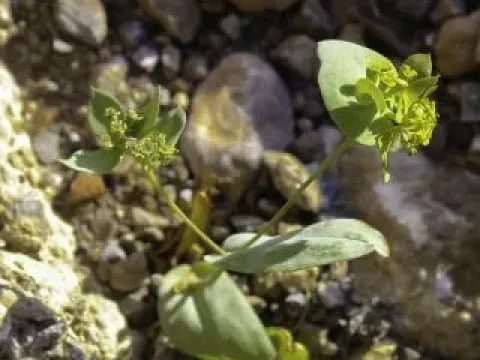
Bupleurum lancifolium
Bupleurum lancifolium
Bupleurum lancifolium is an annual herbaceous plant belonging to the Apiaceae family. Sowing is typically carried out in early spring once the soil temperature consistently reaches 5–8 degrees Celsius.
What the section contains
Bupleurum lancifolium
Seeds should be sown at a shallow depth of 1.5–2 centimeters, ensuring firm contact with moist soil to facilitate successful germination.
Winter sowing is also an effective strategy, allowing the seeds to undergo natural stratification, which results in more uniform and vigorous seedlings.
A row-crop planting method is recommended, with spacing of 45 centimeters between rows to allow for efficient mechanical weeding and nutrient management.
Maintaining adequate soil moisture during the first few weeks after emergence is crucial, as the seedlings are quite sensitive to drought during their initial growth stages.
This crop thrives in well-lit, sunny environments, as shade negatively impacts the synthesis of its biologically active chemical compounds.
Ideal soil conditions consist of light, well-draining sandy or loamy soils with a neutral to slightly alkaline pH level.
While the plant shows moderate drought tolerance, regular watering during the active vegetative growth phase is essential for maximizing biomass production.
Soil aeration is a critical component of the cultivation cycle, requiring regular inter-row cultivation to promote healthy root system development.
Waterlogged or poorly drained soils must be avoided, as stagnant water significantly increases the risk of root rot and total crop failure.
Crop yield is heavily dependent on maintaining optimal plant density and applying balanced mineral fertilizers throughout the growing season.
Under intensive management practices, yields of high-quality dried herb can reach up to 2 tons per hectare, depending on local environmental factors.
Quality control is vital; therefore, nitrogen-heavy fertilization should be avoided, as it can diminish the concentration of medicinal flavonoids and saponins.
Harvesting should ideally take place during the peak flowering stage to ensure the highest possible concentration of therapeutic secondary metabolites.
Weather conditions, particularly rainfall distribution during the spring and summer months, play a decisive role in the final yield potential of the crop.
The main threats to this crop include fungal infections, which are particularly prevalent in dense plantings or during periods of prolonged high humidity.
Root rot and powdery mildew are the most common diseases that require immediate attention through proper sanitation and preventive measures.
Pests such as aphids and various plant bugs can cause significant damage by feeding on young leaves and developing flower buds during the growth cycle.
An integrated pest management approach, focusing on biological controls, is highly recommended to maintain the purity and safety of the final herbal product.
Strict adherence to crop rotation protocols is the best defense against soil-borne diseases and helps in reducing overall pest pressure in the field.
Harvesting is typically performed using mechanical harvesters during dry, sunny weather to ensure that the material is free from excessive moisture.
The harvested plant material must be dried immediately in controlled environments at temperatures ranging from 40 to 45 degrees Celsius to preserve efficacy.
Proper drying is essential to prevent degradation; once dried, the material should maintain its natural color and aroma throughout the storage process.
The post-harvest phase includes cleaning and sorting the crop to remove foreign matter, ensuring the highest grade of commercial herbal material.
Final storage should occur in cool, dark, and dry locations to prevent oxidation of active ingredients and maintain long-term shelf life and product quality.