
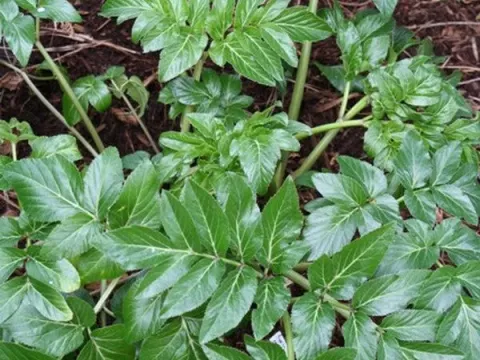
Japanese Angelica
Angelica japonica
Japanese Angelica is a perennial herbaceous plant belonging to the Apiaceae family, native to the coastal regions of Japan and nearby islands, where it thrives in sandy, mineral-rich soils.
What the section contains
Japanese Angelica
When cultivating this crop, sowing is best performed in late autumn, allowing the seeds to undergo natural stratification, which is critical for achieving high germination rates in the spring.
The seeds should be sown in rows spaced approximately 50 to 60 centimeters apart to accommodate the plant's significant vegetative growth and ensure good air circulation between the specimens.
The optimal seeding depth is shallow, around 1 to 2 centimeters; covering seeds too deeply often results in delayed or erratic sprouting, which can negatively affect the crop's establishment.
Effective weed management is essential during the early stages of growth, as the young seedlings grow relatively slowly and can be easily outcompeted by aggressive weeds.
This species requires deep, fertile, and well-drained soils to support its substantial taproot system; waterlogging is highly detrimental and should be strictly avoided.
Japanese Angelica performs best in climates with cool to moderate temperatures and high humidity, which mimics its natural coastal habitat and prevents the leaves from wilting.
While the plant is sun-loving, it benefits from light shade during the peak heat of the afternoon, particularly in warmer agricultural zones, to maintain optimal leaf turgor.
The soil should have a neutral to slightly acidic pH level; incorporating compost or well-rotted organic matter before planting is recommended to ensure consistent nutrient availability.
Regular monitoring of soil moisture levels is necessary; however, the plant is relatively resilient once established, provided the root zone remains consistently hydrated but not saturated.
Fungal diseases, specifically powdery mildew and root rot, represent the primary threats to Japanese Angelica, especially when plants are grown in poor-draining or humid environments.
Common agricultural pests such as aphids and spider mites can attack the foliage, particularly during dry spells, potentially reducing the overall quality of the harvest.
Integrated pest management, including the use of biological control agents and frequent inspection, is the most effective approach to preventing large-scale infestations.
Soil-borne pests like wireworms can damage the roots; therefore, proper field preparation and the inclusion of the crop in a well-planned rotation cycle are vital practices.
Preventative measures, such as avoiding high planting densities and ensuring proper spacing, help reduce the incidence of diseases by enhancing airflow around the foliage.
The primary harvest for medicinal purposes involves the roots, which are typically collected in the autumn of the second or third year of growth when active compounds are most concentrated.
Harvesting should be performed when the above-ground parts of the plant begin to wither, indicating that the plant has redirected its energy reserves into the root system.
Roots must be carefully lifted from the soil to minimize mechanical damage, then cleaned thoroughly of debris and washed in clean water before the drying process begins.
Drying is a critical step; it must be conducted in well-ventilated areas or specialized drying chambers at moderate temperatures to preserve the delicate essential oils and volatile compounds.
For culinary use, the tender young leaves and stems can be harvested throughout the spring and early summer, providing a nutritious and aromatic addition to various dishes.