
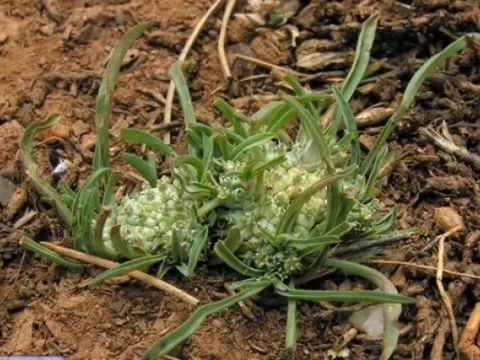
Hohenackeria
Hohenackeria
Hohenackeria is a genus of herbaceous plants belonging to the Apiaceae family. This genus is primarily distributed in Mediterranean and Middle Eastern regions, typically thriving in natural habitats rather than large-scale agricultural systems.
What the section contains

Hohenackeria
The plant prefers well-drained, fertile soil with a neutral to slightly alkaline pH. Proper soil aeration is crucial for the healthy development of its deep taproot system, which helps the plant withstand periods of moderate drought.
Cultivation requires full sun exposure to ensure successful flowering and seed set. It is sensitive to extreme cold and excessive moisture, which can lead to rapid decay of the root system if drainage is not properly managed.
Botanically, Hohenackeria displays characteristic features of the carrot family, including pinnately compound leaves and umbel-shaped inflorescences. Its growth cycle is adapted to the specific seasonal patterns of its native arid and semi-arid environments.
From an agricultural standpoint, it is often studied for its ecological role. While not a mainstream commercial crop, it is of interest in research for its potential adaptability to challenging climates where other Apiaceae species might struggle.
Fungal diseases such as powdery mildew are the most significant threat to Hohenackeria, especially in humid conditions where air circulation is restricted around the foliage.
Root rot, driven by waterlogged soil, can severely impact plant health. Proper field management is essential to prevent the accumulation of pathogens like Fusarium in the rhizosphere, which can cause significant yield losses.
Pests, particularly aphids and various flies specialized in umbelliferous plants, represent a major concern during the budding phase. These insects not only cause direct damage but can also act as vectors for various plant viruses.
Effective management strategies include crop rotation and the maintenance of field hygiene to reduce the pressure of pests and diseases. Early detection is key to preventing widespread infestations in a field.
Integrated pest management (IPM) practices, such as the use of biological control agents, are recommended to protect the crop while maintaining environmental sustainability and soil health.