
Amethyst sea holly
Eryngium amethystinum
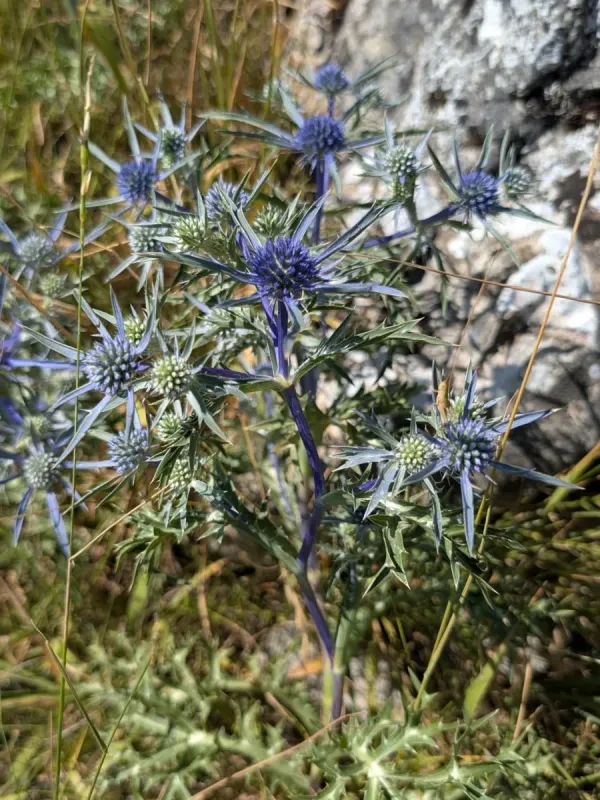
Description
Sowing dates
Amethyst sea holly is typically propagated by seeds, which require a cold stratification period to break dormancy and ensure uniform germination.
Seeds should be sown in late autumn or early winter in outdoor seedbeds, allowing them to experience natural fluctuating temperatures during the dormant season.
If sowing indoors, place the seeds in a damp paper towel within a plastic bag in the refrigerator for at least six weeks before moving them to a warm area.
The seeds should be covered lightly with fine soil, as they require a minimal amount of light to germinate effectively within the substrate.
Once seedlings have developed their first true leaves, they should be transplanted carefully to avoid damaging the deep taproot that characterizes this species.
Growing requirements
Belonging to the Apiaceae family, Eryngium amethystinum is a hardy perennial that thrives in full sun and well-draining, gritty soil conditions.
The plant is highly drought-tolerant and performs best in infertile soils where it can develop its signature intense amethyst-colored bracts.
Poor drainage and excessive moisture are the main limiting factors; therefore, planting on slopes or elevated beds is highly recommended.
This species is exceptionally well-suited for xeriscaping, requiring minimal intervention once established in the garden environment.
Fertilizer application should be strictly limited, as rich soil conditions produce excessive foliage at the expense of the attractive metallic blue flowers.
Main diseases and pests
Common plant health issues include root rot, which typically develops in heavy, waterlogged soils where oxygen cannot reach the root system.
Powdery mildew can occasionally affect the leaves if the planting site lacks adequate air circulation or during periods of high humidity.
Pests such as aphids and spider mites may occasionally infest the plants, particularly during hot and dry spells, necessitating mechanical or chemical control.
To maintain a healthy crop, it is essential to ensure adequate spacing between individual plants to prevent the spread of fungal pathogens.
Weed management should be conducted manually or through the use of inorganic mulch to prevent root disturbance while maintaining a dry surface layer.
Harvesting
Harvesting for floral design should take place when the flowers are fully colored but before the center cones have turned brown and aged.
The stems should be cut early in the day after the dew has evaporated and hung upside down in a dark room to preserve their vibrant coloration.
If seed production is the objective, leave the stalks intact until they are fully dry and brittle to ensure the embryos are mature for the next season.
Proper storage in dry, cool conditions is essential to prevent moisture absorption, which could lead to softening or mold growth on the dried stems.
Pruning the base of the plant in late autumn promotes tidiness and prepares the crown for winter dormancy in temperate climates.