
Ammi visnaga
Ammi visnaga (L.) Lam.
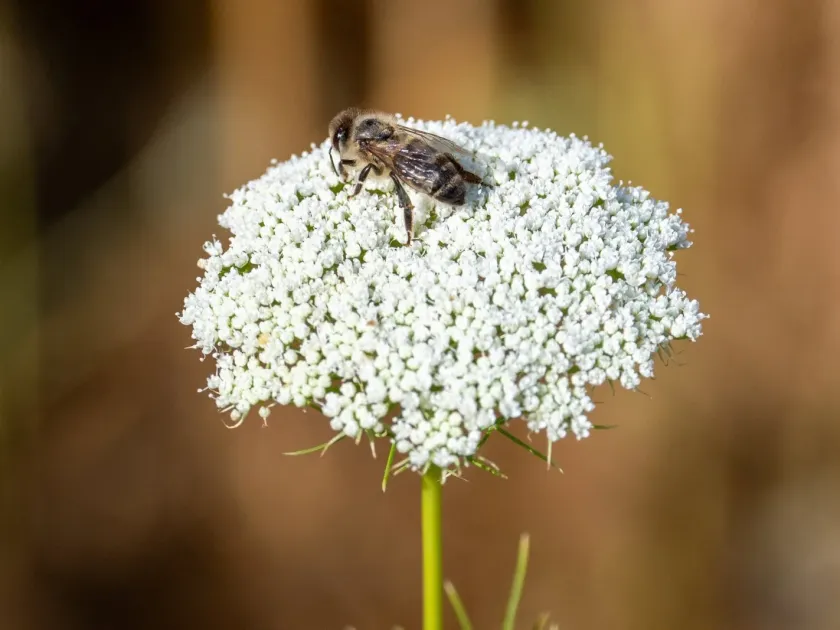
Description
Sowing dates
Ammi visnaga is a heat-loving annual plant, so sowing should be performed in spring once soil temperatures reach 10–12 degrees Celsius.
Seeds are sown in rows spaced 45–60 centimeters apart, as the plant develops a wide and branching habit that requires sufficient space.
The sowing depth is maintained at 1–2 centimeters, which is ideal for achieving uniform germination and establishing a strong root system.
Seedlings develop slowly, making weed control in the early vegetative stages a critical task for successful crop establishment.
Pre-sowing seed treatments can be utilized to improve germination rates and reduce the time required for seedlings to emerge in field conditions.
Growing requirements
The crop is highly photophilic and requires full sun exposure; any shading significantly negatively impacts the concentration of active medicinal compounds.
The ideal soil types are light sandy or silty loams that possess excellent aeration and efficient drainage to prevent root rot issues.
Consistent moisture is necessary during the first half of the vegetative period, though excessive water during seed maturity must be avoided.
The plant thrives in stable, warm temperatures, and exposure to frost or extreme temperature fluctuations can significantly stunt growth.
Optimal nutrition, particularly phosphorus and potassium fertilizers, supports the development of the umbels and increases secondary metabolite accumulation.
Yield
Yield levels for Ammi visnaga depend heavily on climatic conditions, soil fertility, and precise adherence to agrotechnical guidelines during the season.
In industrial-scale cultivation, average fruit yields can reach between 8 and 12 quintals per hectare when proper field management is applied.
The primary value lies in the fruits, which contain high concentrations of furanochromones used extensively in cardiovascular pharmaceuticals.
Investing in high-quality seeds and balanced fertilization programs allows growers to maximize the productivity and purity of the harvested crop.
Post-harvest processing is vital; removing debris and drying the crop properly ensures a high percentage of marketable raw material after cleaning.
Main diseases and pests
Ammi visnaga is susceptible to fungal pathogens under high humidity conditions, necessitating proactive monitoring of the plant canopy.
Common pests include aphids and plant bugs that feed on developing flowers, which can severely reduce the final seed quality and overall yield.
Crop rotation is essential to prevent soil-borne diseases and to minimize pest pressure from previous cycles on the same field location.
Maintaining proper plant spacing is necessary to ensure air circulation and prevent microclimates that favor the development of mold or blight.
Integrated pest management strategies should be implemented to address infestations, strictly following safety protocols for any crop protection products.
Harvesting
Harvesting is performed during the full maturity phase when the fruits turn a distinct brownish-green color and become sufficiently firm.
Timing is crucial to prevent yield loss due to shattering, as mature seeds can easily drop if left on the field for too long after ripening.
The standard harvesting approach is the two-stage method, where umbels are cut, dried in swaths, and subsequently threshed using machinery.
After threshing, the material undergoes cleaning to remove chaff and final drying to reach a moisture content below 12–14 percent.
Storage requires cool, dry, and dark conditions using proper packaging to preserve the pharmacological integrity of the harvested product.