
Lancewood
Oxandra lanceolata (Sw.) Baill.
Description
Growing requirements
Oxandra lanceolata, commonly referred to as lancewood, is a small to medium-sized evergreen tree belonging to the Annonaceae family. It is native to the tropical regions of the Caribbean, particularly found in Cuba and Jamaica.
The species thrives in warm, humid tropical environments. It prefers well-drained, fertile soils and cannot tolerate waterlogged conditions or prolonged drought, which necessitates careful site selection for potential cultivation.
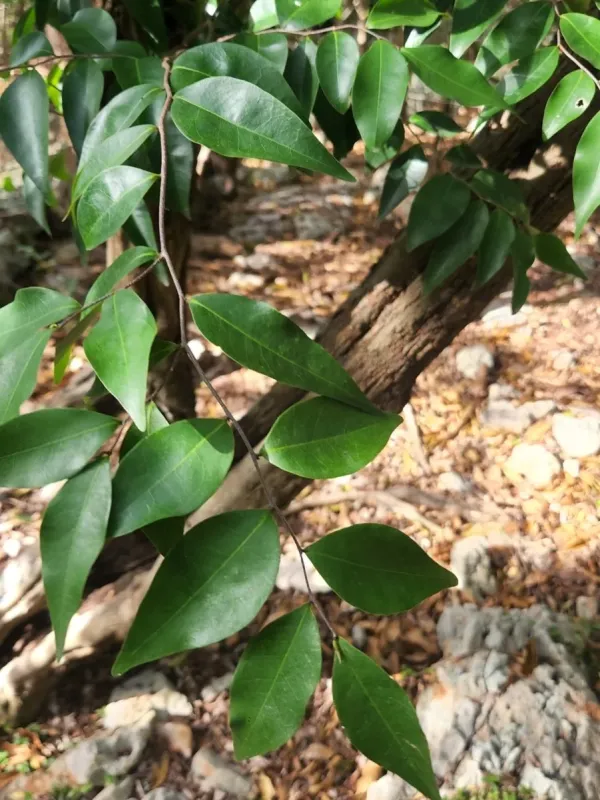
Botanically, the tree is recognized by its slender trunk and characteristic lance-shaped leaves. It exhibits a slow growth rate, which contributes to the density and high quality of the heartwood produced by the plant.
Cultivation practices require consistent ambient moisture and protection from harsh environmental conditions during the early stages of life. The tree is often found in forest understories where it adapts to filtered sunlight conditions.
The timber obtained from this tree, known as lancewood, is famous for its exceptional strength and flexibility. Historically, it was the material of choice for fishing rods, tool handles, and components for horse-drawn carriages due to its resistance to breakage.
Harvesting
Harvesting practices involve the selective logging of mature trees. Given its slow regeneration, sustainable management is critical to ensure the long-term survival of the species, followed by careful drying of the wood to prevent deformation.