
Alphonsea
Alphonsea
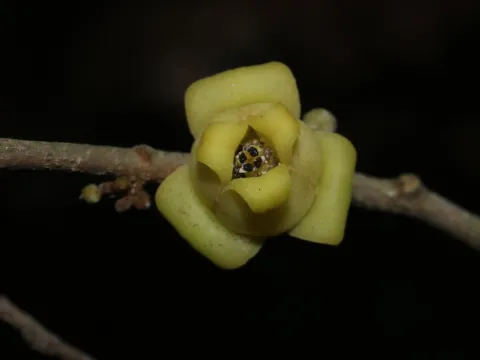
Alphonsea is a genus of evergreen trees and shrubs within the Annonaceae family. These plants are native to the tropical regions of South and Southeast Asia, flourishing in environments ranging from India to the Malay Peninsula and beyond.
What the section contains
 Alphonsea elliptica
Alphonsea elliptica
Alphonsea elliptica
 Alphonsea hortensis
Alphonsea javanica
Alphonsea javanica
Alphonsea johorensis
Alphonsea johorensis
Alphonsea hortensis
Alphonsea hortensis
Alphonsea javanica
Alphonsea javanica
Alphonsea johorensis
Alphonsea johorensis
 Alphonsea lutea
Alphonsea madraspatana
Alphonsea madraspatana
Alphonsea lutea
Alphonsea lutea
Alphonsea madraspatana
Alphonsea madraspatana
 Alphonsea maingayi
Alphonsea sclerocarpa
Alphonsea sclerocarpa
Alphonsea ventricosa
Alphonsea ventricosa
Alphonsea maingayi
Alphonsea maingayi
Alphonsea sclerocarpa
Alphonsea sclerocarpa
Alphonsea ventricosa
Alphonsea ventricosa
 Alphonsea zeylanica
Alphonsea zeylanica
Alphonsea zeylanica
Alphonsea
The genus thrives in dense tropical forests where high humidity and consistent temperatures are maintained throughout the year. Due to these specific biological needs, commercial cultivation is primarily limited to tropical zones where seasonal frost is nonexistent.
Optimal growth requires well-drained, nutrient-rich soil with a slightly acidic to neutral pH. Proper soil management is essential to prevent waterlogging, as the root systems of Alphonsea species are highly susceptible to fungal pathogens in saturated soils.
The plants exhibit distinct structural adaptations, including alternate, simple leaves and fleshy flowers that often attract specialized insect pollinators. In their native habitats, they typically occupy the understory layer, requiring canopy protection during the early stages of development.
Agricultural utility varies by species, with some utilized for their aromatic properties, timber, or edible fruits. While they are not major global commodities, they remain significant in local agroforestry systems and traditional medicinal practices across their natural range.