
Alphonsea zeylanica
Alphonsea zeylanica
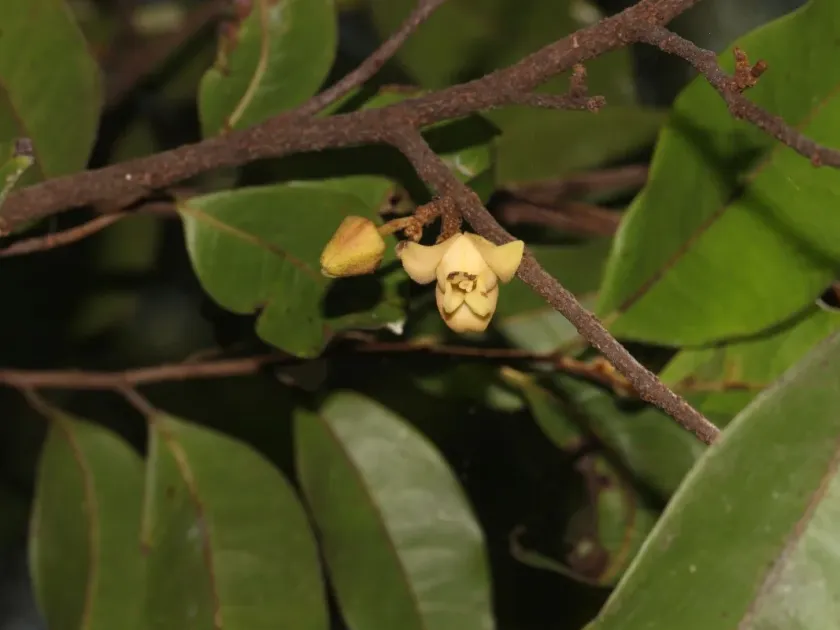
Description
Growing requirements
Alphonsea zeylanica is an evergreen tree species belonging to the Annonaceae family. It is a distinctive component of tropical ecosystems, primarily found in the moist forest regions of its native Sri Lanka.
The plant thrives in a tropical climate characterized by high humidity, abundant rainfall, and consistently warm temperatures throughout the year. It does not tolerate frost or cold stress, typical for this genus.
Regarding soil requirements, this species favors nutrient-rich, well-draining soils that maintain moisture without becoming waterlogged. High organic content in the soil profile supports healthy growth in its native forest habitat.
Botanically, it features a characteristic structure for the Annonaceae family, with leathery leaves and specialized flowers evolved to attract specific forest pollinators. The tree displays a moderate growth rate when environmental conditions are optimal.
As a forest-dwelling species, its utility is currently focused on biodiversity conservation rather than large-scale agricultural production. Local traditional knowledge may include specific minor uses for its timber or botanical parts.
Main diseases and pests
Habitat loss due to deforestation and land-use changes remains the most significant threat to the survival of Alphonsea zeylanica in the wild.
Fungal diseases are a risk for the species, particularly when plants are grown in nurseries with poor air circulation or improper humidity management, leading to root rot or leaf spot symptoms.
Various insect pests, including wood-boring beetles and sap-sucking insects, may compromise the health of mature trees, especially when the trees are stressed by environmental shifts.
The narrow endemic nature of the species makes it sensitive to climate fluctuations, which can alter the delicate balance of forest humidity necessary for its reproduction and growth cycles.
Conservation efforts are vital as the species is not widely cultivated, meaning its genetic base is primarily reliant on the protection of its natural, shrinking forest habitats.