
Alphonsea hortensis
Alphonsea hortensis
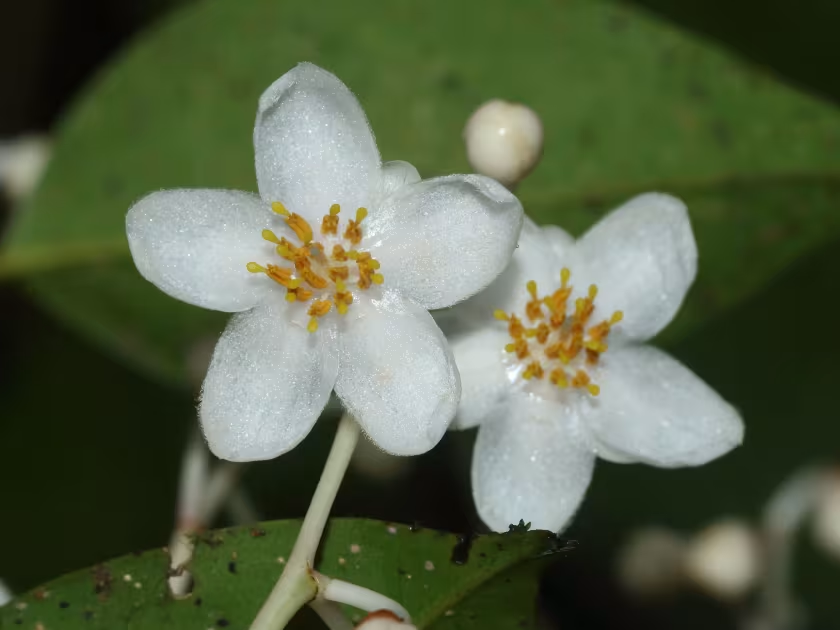
Description
Sowing dates
The propagation of Alphonsea hortensis is typically performed using seeds, which require specific environmental conditions to germinate effectively. The seeds should be sown in a well-draining, nutrient-rich potting medium to ensure healthy root development.
Consistent temperatures are crucial, ideally ranging between 25°C and 30°C. Maintaining a high humidity level during the initial stages is essential for overcoming seed dormancy and ensuring uniform emergence of the seedlings.
Young plants are sensitive to direct exposure and should be kept in a shaded area until they develop a robust root system. Frequent, light watering is necessary to prevent the substrate from drying out, which can be detrimental to the young sprouts.
Transplanting should be handled with extreme care, as the root structure of this species is sensitive to disturbance. Moving the plant with a intact root ball helps to minimize transplant shock and promotes faster establishment.
In specialized nurseries, vegetative propagation through cuttings may be attempted, though it requires precise control over humidity and the use of rooting hormones to achieve a successful strike rate.
Growing requirements
Alphonsea hortensis belongs to the Annonaceae family, native to tropical environments. It thrives in regions with consistently high humidity and warm temperatures throughout the entire year, mimicking its natural habitat.
The soil requirements involve well-structured, deep, and fertile ground. Proper drainage is the most critical factor; the plant cannot tolerate waterlogged conditions, which lead to root asphyxiation and eventual plant decline.
Sunlight requirements are relatively high, as the plant needs sufficient light for photosynthesis and biomass accumulation. However, protection from intense, scorching midday sun is recommended for younger specimens to prevent leaf damage.
Agrotechnical management includes regular fertilization using balanced organic amendments. Adding compost or well-rotted manure to the root zone improves soil structure and nutrient availability, supporting healthy growth cycles.
Watering strategies should focus on maintaining constant soil moisture without excess. Irrigation should be adjusted based on the seasonal variations, ensuring the plant never enters a period of severe physiological drought.
Main diseases and pests
The primary threats to this culture are fungal diseases, particularly those affecting the root system due to excessive moisture. These pathogens can cause root rot, resulting in wilting and sudden death of the plant.
Common pests such as scale insects and mealybugs pose a significant risk, as they attach to leaves and stems to feed on plant sap. Their presence often leads to stunted growth and the development of secondary fungal issues.
Leaf-eating insects can cause structural damage, which reduces the plant's photosynthetic capacity. Integrated pest management strategies, such as physical removal or the use of neem oil, are recommended for control.
Sanitation within the growing area is vital to prevent the spread of diseases. Clearing debris and pruning dead or diseased branches helps maintain proper airflow and reduces the habitat for potential pests.
Environmental stressors like erratic temperature shifts or wind exposure can weaken the plant's natural defense mechanisms, making it more susceptible to localized infestations and opportunistic pathogens.