
Alphonsea lutea
Alphonsea lutea
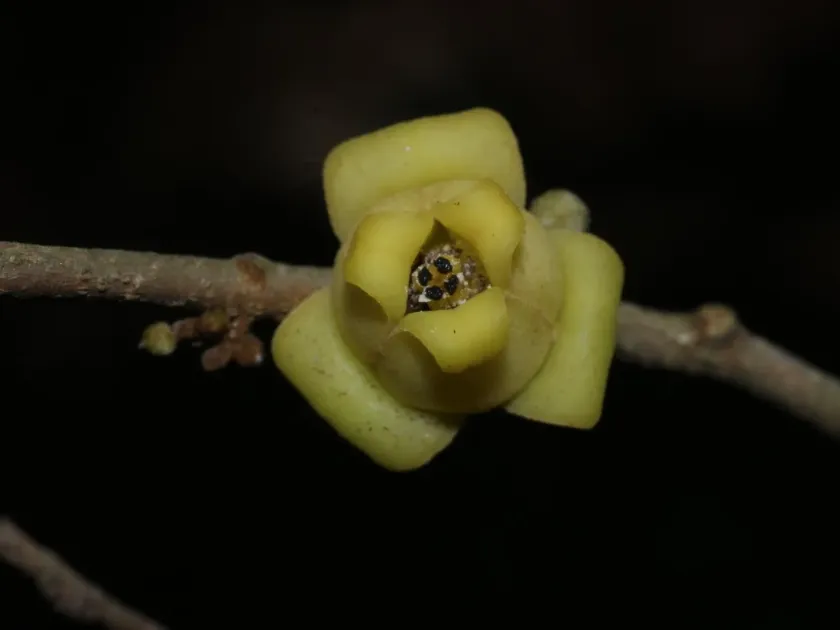
Description
Growing requirements
Alphonsea lutea belongs to the Annonaceae family and is recognized as a significant evergreen tree within its native tropical ecosystems. It typically reaches a stature of 10 to 20 meters, depending on the environmental conditions.
The species is indigenous to the tropical regions of South and Southeast Asia. It thrives in humid environments and is well-adapted to the climatic patterns of tropical forests with distinct wet and dry seasons.
For cultivation purposes, the tree requires deep, fertile soil with excellent drainage properties to prevent root rot. It is sensitive to waterlogging, necessitating careful site selection on elevated or sloped terrain.
Optimal growth is achieved under partial shade during the sapling stage, transitioning to full sun as the tree matures. Maintaining consistent soil moisture levels is essential for vigorous development.
Standard agronomic practices for this culture involve organic fertilization and the application of mulch to suppress weed growth and preserve soil moisture levels throughout the year.
Harvesting
The timber derived from Alphonsea lutea is utilized in local construction and for the production of small wooden implements due to its density and durability.
The fruits produced by the tree are edible and serve as a supplemental food source for rural communities. They are typically harvested for local markets and domestic consumption.
Beyond its physical products, the tree provides valuable ecological services. It acts as a habitat and a source of nutrition for various bird and insect species, contributing to the biodiversity of the local landscape.
Traditional practices have explored the use of various plant parts in local health remedies, highlighting the cultural significance of the species in its indigenous regions.
Harvesting strategies are based on the manual collection of mature fruits. Growers monitor the tree's development closely, as the fruit characteristics often dictate the timing of the picking season to ensure maximum quality.