
Alphonsea sclerocarpa
Alphonsea sclerocarpa
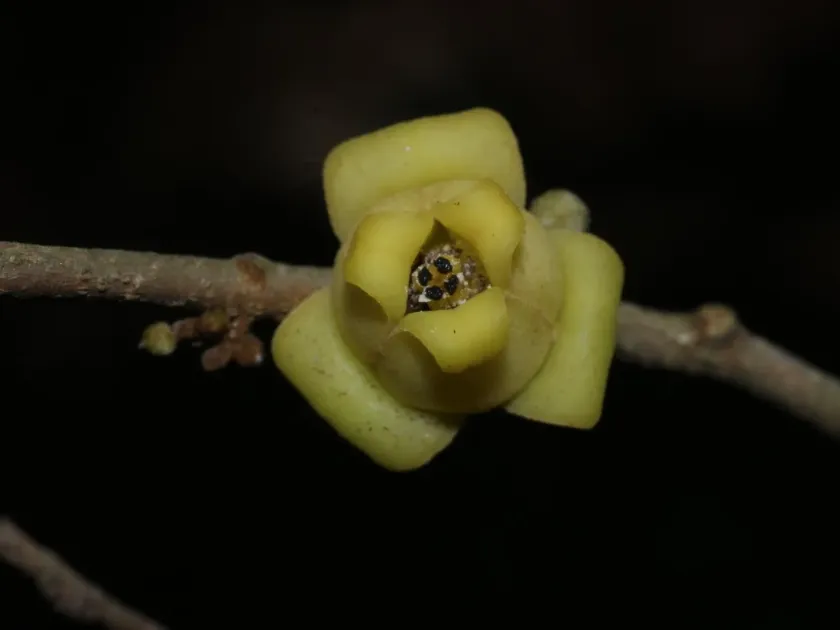
Description
Growing requirements
Alphonsea sclerocarpa is a member of the Annonaceae family, native to the tropical forests of Southeast Asia. This evergreen tree is valued for its unique botanical structure and ecological role in its natural habitat.
The plant thrives in a tropical climate characterized by high humidity and year-round warm temperatures. It is highly sensitive to frost, requiring a location where temperatures remain above +20°C throughout the year.
The ideal soil for this crop should be deep, fertile, and well-drained. Sandy loams enriched with organic matter are particularly conducive to root development and tree longevity.
Agricultural management requires careful attention to irrigation; while the tree loves moisture, it cannot tolerate waterlogging, which often leads to rapid decay of the root system.
In terms of light, adult trees require partial to full sun to achieve optimal growth and fruit production, whereas younger specimens should be protected from direct, scorching rays.
Main diseases and pests
The primary concern for Alphonsea sclerocarpa cultivators is root rot, typically caused by Phytophthora species thriving in poorly drained soils.
Insects such as fruit borers can significantly damage the reproductive organs, leading to premature fruit drop and reduced harvest quantities for local producers.
Foliar diseases, including various types of leaf spot and powdery mildew, are common in humid environments where air circulation within the tree canopy is restricted.
Nematodes in the soil can be a hidden threat, stunting growth and reducing the tree's ability to absorb essential water and nutrients effectively.
Integrated pest management strategies should focus on preventive pruning, maintaining soil balance, and occasional biological treatments to ensure the health of the plantation.