
Alphonsea maingayi
Alphonsea maingayi
Description
Growing requirements
Alphonsea maingayi is an evergreen tree species belonging to the Annonaceae family. Naturally distributed in the tropical regions of Southeast Asia, it thrives in dense, humid forests, forming part of the rich botanical biodiversity of the region.
Cultivation of this species requires a strictly tropical climate characterized by high temperatures and consistent humidity. It is highly sensitive to cold and thermal fluctuations, which necessitates protected environments such as greenhouses for successful growth outside its native range.
The soil requirements involve well-draining, nutrient-rich substrates that mimic the natural forest floor. An optimal growth medium should be slightly acidic to neutral and possess a high capacity for moisture retention without becoming waterlogged.
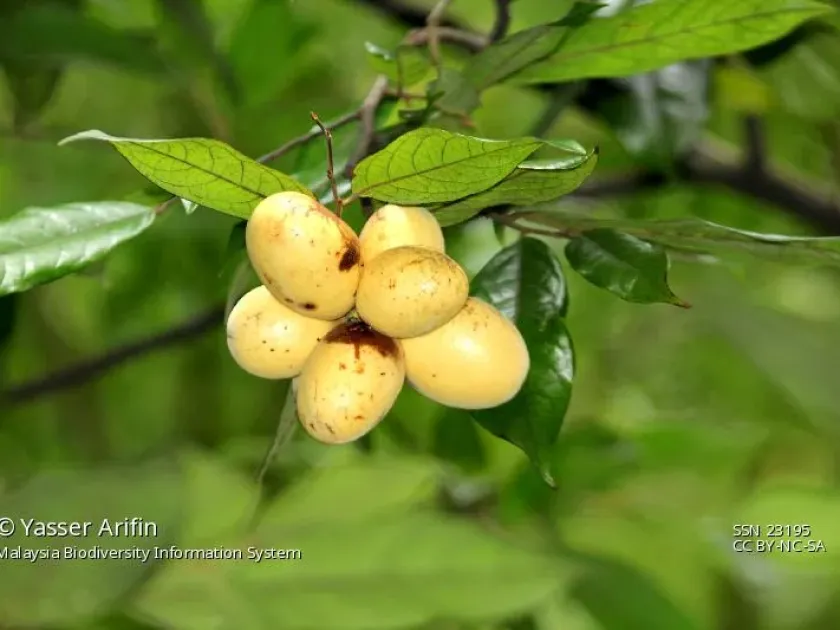
Botanically, the plant is distinguished by its robust woody structure and dense foliage. It produces distinctive fruits that contain seeds, which play a role in the local ecology and have been historically utilized by indigenous populations for various purposes.
A typical cultivation routine involves regular deep watering and the application of balanced organic fertilizers during the growing season. Pruning is essential to manage the tree's architecture and improve air circulation within the canopy.
Main diseases and pests
The primary health threats to Alphonsea maingayi include various root rot diseases, often triggered by excessive moisture or poor substrate aeration. Maintaining proper drainage is the most effective cultural practice to prevent these fungal infections.
Pest issues commonly involve sap-sucking insects like mealybugs and scale insects. These pests can weaken the tree if left unchecked, so growers should monitor the undersides of leaves and use integrated pest management strategies to protect the plant.