
Alphonsea madraspatana
Alphonsea madraspatana
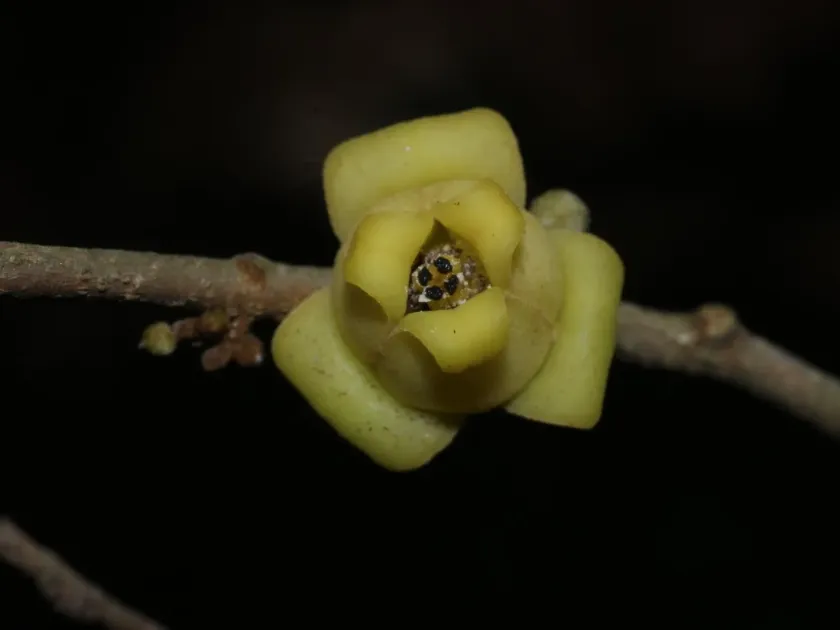
Description
Growing requirements
Alphonsea madraspatana is a woody plant belonging to the Annonaceae family. It is typically characterized as an evergreen tree or large shrub, naturally distributed across the tropical landscapes of Southern India and Sri Lanka.
This species thrives in high-temperature environments with significant annual rainfall. It is perfectly adapted to the shaded understory of tropical forests, which informs its preference for dappled sunlight rather than harsh, direct exposure.
Optimal growth is achieved in well-drained, nutrient-rich soils that mimic forest floor conditions. The plant requires a consistent supply of organic matter to support its biomass accumulation and healthy physiological functioning throughout the year.
Water management is critical; while the plant requires consistent moisture, it cannot tolerate waterlogged conditions which often lead to physiological root stress. Proper site selection involving natural or artificial drainage is essential.
Maintenance should include periodic pruning to remove dead or diseased wood. This practice promotes better airflow within the canopy, which is essential for maintaining the overall vigor and reproductive capacity of the specimen.
Main diseases and pests
Common pests affecting this culture include scale insects and mealybugs. These sap-sucking insects often congregate on the undersides of leaves and along tender stems, potentially weakening the host plant significantly.
Fungal pathogens such as leaf spot fungi can occur under conditions of stagnant air and high humidity. These infections appear as chlorotic or necrotic lesions on the foliage, which can lead to premature leaf drop.
Root rot, often caused by Oomycetes, is a severe threat if soil drainage is compromised. This disease is difficult to treat once established, making preventative soil management the most effective strategy.
Integrated pest management (IPM) strategies, including the use of neem-based sprays and the promotion of beneficial predator populations, are recommended for managing pest outbreaks effectively.
Regular monitoring of the canopy and base of the tree is necessary to detect early symptoms of infestation or infection. Early intervention remains the cornerstone of maintaining a healthy plant population.