
Protorhus ditimena
Protorhus ditimena H. Perrier
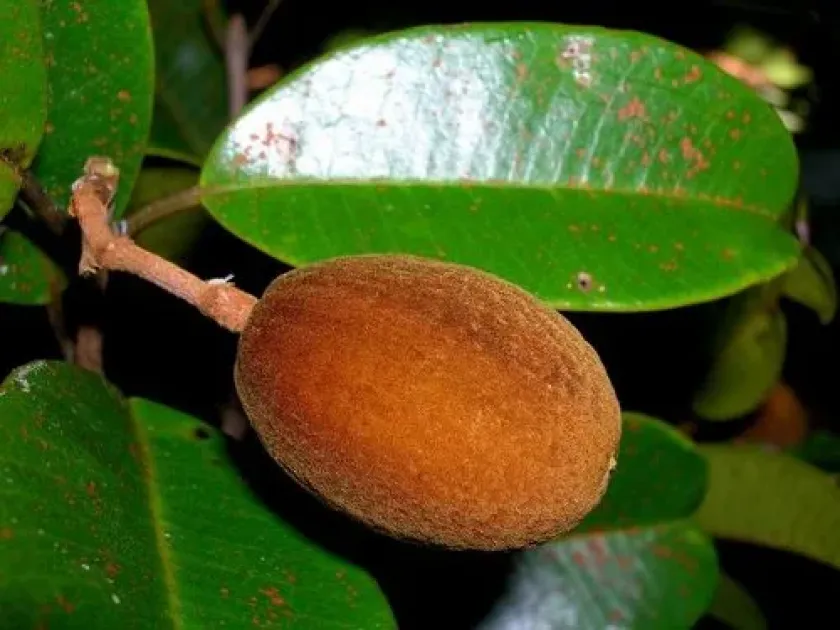
Description
Growing requirements
Protorhus ditimena is a distinctive botanical species belonging to the Anacardiaceae family, native to the tropical forests of Madagascar. This tree species is recognized for its unique adaptation to humid and stable environmental conditions within its natural habitat.
In agricultural practice, this plant requires deep, fertile, and well-drained soils to prevent root asphyxiation. Maintaining a consistent soil pH and adequate moisture levels is essential for the healthy development of its root system and canopy growth.
Climatic requirements focus on tropical environments, characterized by warm temperatures throughout the year. The species thrives in areas with high relative humidity and benefits from protection against strong, drying winds that can cause leaf scorching.
Cultural practices include periodic organic fertilization during the main growing season to support foliage development. Pruning is recommended only for structural purposes or to remove dead branches, ensuring that the tree maintains its natural form.
From a utilization perspective, Protorhus ditimena is valued by local populations for its timber quality and potential medicinal applications of its bark and leaves. It is increasingly being studied for its role in biodiversity conservation and sustainable agroforestry.
Main diseases and pests
The primary health issues for Protorhus ditimena involve fungal pathogens such as leaf spot fungi and root rot, particularly in poorly ventilated conditions. Prevention focuses on ensuring proper spacing between plants and avoiding waterlogged soil conditions.
Pest pressures primarily come from sap-sucking insects like scales and mites, which can proliferate rapidly in sheltered environments like nurseries or greenhouses. Regular monitoring and physical removal are the first lines of defense.
Environmental stress, such as extreme temperature drops or sudden drought, can weaken the tree's natural defenses, making it more susceptible to opportunistic pathogens. A stable environment is key to maintaining a healthy and robust tree.
Integrated pest management (IPM) strategies, including the use of beneficial insects and selective organic pesticides, are highly recommended for large-scale cultivation. Avoiding broad-spectrum chemicals helps maintain a balanced ecosystem around the plantation.
Sanitation practices, such as the immediate removal and destruction of infected plant debris, play a crucial role in preventing the spread of diseases. A proactive approach to plant health is essential for ensuring long-term yield and tree vigor.