
Buchanania insignis
Buchanania insignis
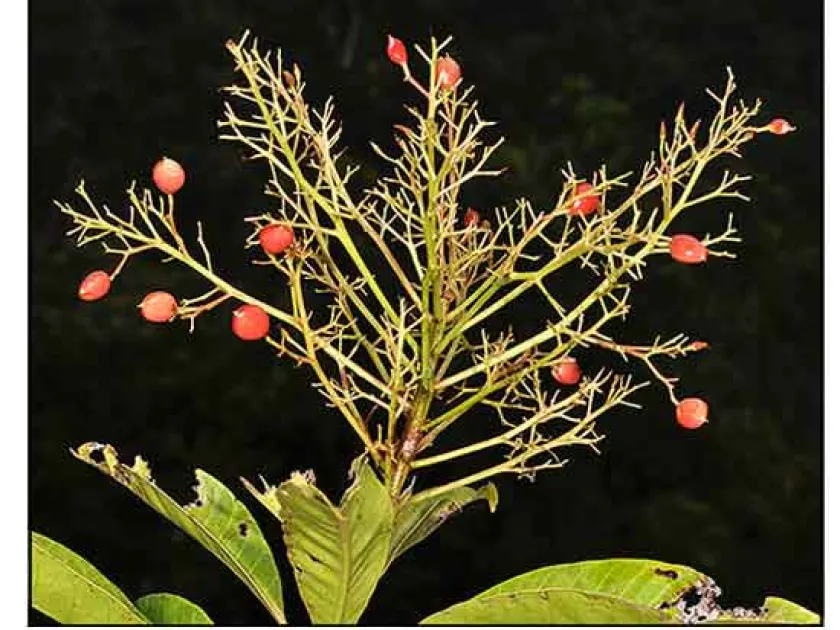
Description
Growing requirements
Buchanania insignis is a species belonging to the Anacardiaceae family, sharing characteristics with other well-known nut-bearing tropical crops. This woody plant is native to tropical regions and thrives in evergreen forest environments.
For optimal development, the culture requires high and stable temperature conditions throughout the year without significant fluctuations. A tropical climate with a distinct wet season is essential for promoting vigorous vegetative growth and successful fruit set.
The plant has moderate soil requirements, preferring well-drained substrates rich in organic matter. It is highly sensitive to waterlogging at the roots, making adequate drainage systems mandatory when planting on heavier clay soils.
The species is light-demanding; however, young saplings require partial shade to protect them from intense direct sunlight. Mature trees tolerate full sun exposure, which helps stimulate flower bud formation and increases overall orchard productivity.
Economic utilization of the species focuses on harvesting its edible fruits and seeds, which are highly regarded in local markets. Furthermore, the timber produced by this group of trees is valued in local construction and craftsmanship due to its durability and specific texture.
Main diseases and pests
The primary threats to Buchanania insignis include specific tropical pests such as fruit flies and weevils that damage developing ovaries. Regular monitoring of trees during the flowering period is critical for implementing effective pest control measures.
Fungal diseases, particularly root rots resulting from poor soil water management, pose significant risks. Adhering to strict irrigation protocols remains the best prophylactic practice for managing these pathogens in commercial orchards.
Leaf-eating insects can cause considerable damage to young nursery stock, negatively impacting growth rates. The use of biological control agents in organic farming systems has proven effective in managing such pest populations.
Fruit anthracnose may occur during prolonged rainy seasons, necessitating preventive fungicide applications. Selecting planting sites with sufficient canopy aeration significantly reduces the risk of fungal spore spread.
In natural habitats, tree populations can be threatened by invasive vines that compete for resources and restrict growth. Regular sanitary maintenance and canopy management are essential agronomic practices to ensure tree health and longevity.