
Buchanania cochinchinensis
Buchanania cochinchensis
Description
Growing requirements
Buchanania cochinchinensis is a prominent species within the Anacardiaceae family, widely recognized for its edible seeds known as chironji or charoli. It is a slow-growing evergreen tree that has been utilized for centuries in traditional systems of forest management across South Asia.
Native to the tropical forests of Southeast Asia and India, the tree is well-adapted to hot climates characterized by distinct wet and dry seasons. It thrives in open, sunny environments, demonstrating remarkable resilience to high solar radiation that might stress other types of vegetation.
The species is notably versatile regarding soil conditions, capable of surviving in rocky or sandy substrates. However, for agricultural production, it prefers deep, well-drained loamy soils that maintain moisture without becoming waterlogged, which is crucial for root health.
Drought tolerance is a key biological characteristic of this species, making it an ideal candidate for cultivation in water-stressed tropical regions. Conversely, the tree is highly susceptible to frost; even mild freezing temperatures can cause irreversible damage to the tree's vascular system.
Effective agronomy requires weeding around the base of the trees during the early years to eliminate competition. Incorporating organic amendments during the planting phase is highly recommended to establish a resilient root system that can support future growth in varying soil profiles.
Yield
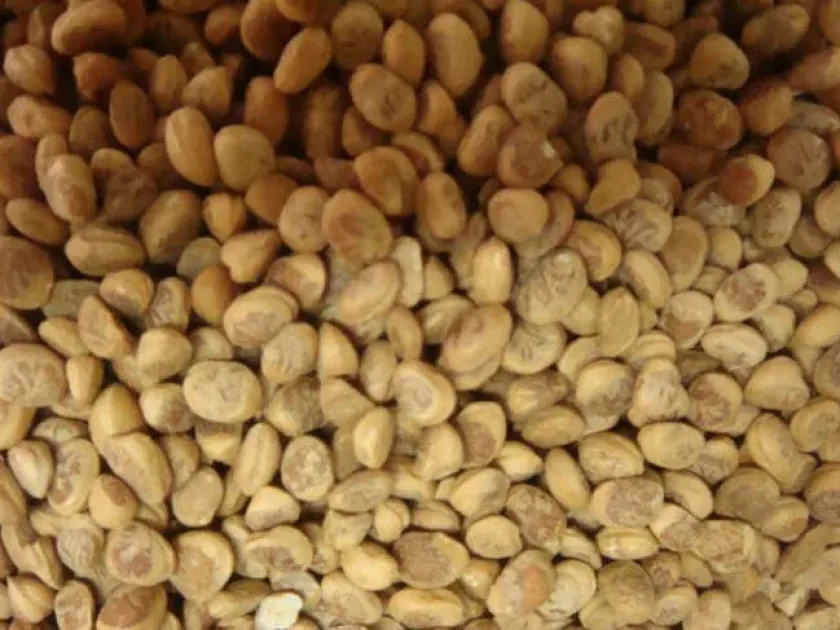
The primary economic focus of this crop is the harvesting of seeds, which are rich in high-quality oil and proteins. These nuts are a staple ingredient in various confectionery products and traditional cuisine, valued for their subtle, nutty flavor and health benefits.
In addition to the fruits, the bark of the tree contains substantial amounts of tannins used in the tanning industry. This dual-purpose utility provides farmers with multiple streams of income, contributing to the overall viability of plantations that focus on this species.
Medicinal applications are extensive in traditional herbal medicine. Roots, leaves, and the gum exudate are utilized to treat inflammatory conditions and digestive disorders, showcasing the tree's versatility as a source of both food and pharmaceutical raw materials.
Trees typically reach the fruit-bearing stage after several years of growth. Harvesting is predominantly a manual process as fruits ripen asynchronously throughout the season, which currently limits large-scale mechanical automation but ensures a steady supply over time.
Market demand for chironji is growing globally, driven by the search for healthy, non-traditional superfoods. Improving yield efficiency through irrigation management and selective breeding is a current priority for agricultural researchers working to optimize plantation productivity.
Main diseases and pests
Fungal leaf infections represent a significant risk, especially during periods of high humidity. Proactive measures, such as proper spacing during plantation layout and strategic pruning, are essential to ensure adequate airflow and reduce the prevalence of damp conditions in the canopy.
Pests such as leaf-eating caterpillars can cause considerable damage, particularly to young foliage. Integrated pest management practices, including the use of pheromone traps and encouraging natural predators, are more effective and sustainable than relying solely on chemical intervention.
Root rot remains one of the most critical threats to plantation health, almost always linked to poor soil drainage. Choosing planting sites with natural elevation is the best preventative measure to avoid the saturation that leads to lethal root pathogen outbreaks.
Anthracnose affecting the fruit can significantly impact seasonal yields. Mitigation involves the diligent removal and destruction of infected fruits to prevent the spread of spores, combined with maintaining the optimal distance between trees to limit the movement of pathogens.
A comprehensive defense strategy relies on rigorous monitoring and sanitation. By keeping the orchard clean and maintaining healthy tree vigor, farmers can significantly reduce the pressure of pests and diseases without compromising the quality of the harvested produce.