
Caloncoba crepiniana
Caloncoba crepiniana
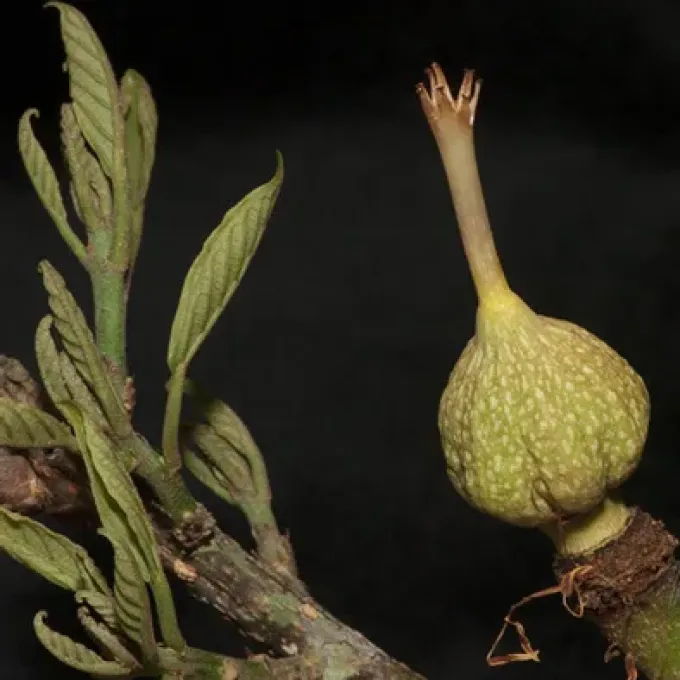
Description
Sowing dates
Propagation of Caloncoba crepiniana in agricultural settings is primarily achieved through seed germination in nursery conditions with controlled humidity.
The optimal time for sowing is at the onset of the rainy season, allowing the seedlings to establish a strong root system before the dry period begins.
The seeds have a robust seed coat, which often requires scarification or soaking in warm water to break dormancy and ensure uniform emergence of shoots.
Transplanting to the permanent field site should occur once the seedlings reach 30–50 cm in height, typically after 6–8 months of initial care.
Planting density depends on environmental conditions and the specific goals of the grower, usually ranging from 200 to 400 trees per hectare for optimal growth.
Growing requirements
Caloncoba crepiniana belongs to the Achariaceae family and is native to the tropical forests of Central and Western Africa, thriving in humid environments.
The species requires stable, warm temperatures throughout the year and is highly sensitive to frost or cold stress, which can severely damage the tree.
Fertile, well-drained soils are essential for healthy growth, as the plant cannot tolerate waterlogged conditions that lead to root rot and nutrient deficiency.
The ideal soil pH for this culture is slightly acidic to neutral, provided that organic matter levels are sufficient to support vigorous tree development.
While the trees appreciate abundant sunlight for optimal production, providing light shade for young saplings helps to prevent excessive heat stress.
Yield
The primary economic value of this crop lies in its oil-rich seeds, which are studied for their potential use in medicine and cosmetic applications.
The yield per tree is heavily influenced by the availability of water, soil fertility, and the overall management of the plantation during the fruiting season.
The seeds are known to contain unique fatty acids, including chaulmoogric acid, which has a long history of usage in traditional treatments for skin conditions.
Harvesting is generally done by hand due to the nature of the fruit, ensuring that only fully mature fruits are collected for processing into oil.
As interest in tropical plant-derived oils increases, the potential for commercializing this species has attracted attention for small-scale and niche farming.
Main diseases and pests
The most common threats to these trees include fungal pathogens that thrive in high humidity and are exacerbated by poor airflow within the plantation canopy.
Insects that target foliage can cause significant damage to the plant's photosynthetic capacity, requiring integrated pest management practices to control.
Regular pruning is a vital agronomic practice, as it improves air circulation and helps to reduce the likelihood of fungal outbreaks in the crown area.
Excessive moisture in the rhizosphere should be avoided at all costs, as it creates an environment conducive to harmful root diseases and stunting of growth.
Weed control is critical during the establishment phase of the plantation to ensure the young trees are not outcompeted for soil nutrients and moisture.
Harvesting
The harvesting process requires careful attention, as the fruit structure is often delicate and can be easily damaged if handled improperly during collection.
Maturity is typically indicated by a color shift in the fruit skin, which signifies that the seeds inside have reached the peak of their oil content.
Immediately after harvest, the fruits must be processed to extract the seeds, as the moist pulp can rapidly degrade and compromise seed quality.
Post-harvest drying is an essential stage to reduce moisture levels, which prevents mold growth and chemical instability in the extracted oils during storage.
Properly processed seeds can be stored for extended periods in well-ventilated, dry conditions, preserving their value for industrial or medicinal use.