
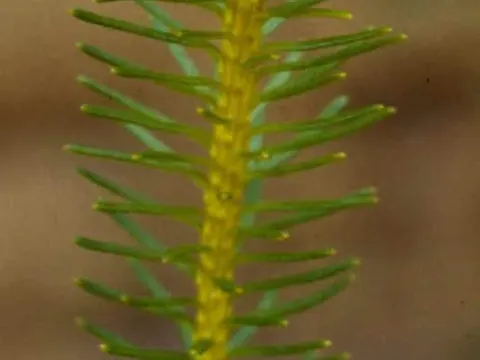
Achlaena
Achlaena
Achlaena is a genus of plants belonging to the Asteraceae family. In agricultural practice, certain species within this genus are considered promising crops that require specific environmental conditions for optimal seed germination and establishment.
What the section contains
Achlaena
The optimal sowing time for Achlaena occurs in the spring when soil temperatures reach 10–12 degrees Celsius at the seeding depth. It is crucial to avoid overly early planting to prevent potential damage to young seedlings from late-season frosts.
Soil preparation should begin in the autumn with deep plowing to improve soil structure and aeration. In early spring, the field is harrowed to conserve moisture, which is a critical factor for ensuring uniform emergence and growth of the crop.
The seed rate is calculated based on the intended use of the crop and the fertility of the specific field. Maintaining an optimal plant population is recommended to maximize vegetative biomass while avoiding excessive overcrowding that leads to nutrient competition.
Seed depth typically ranges from 2 to 4 centimeters depending on the soil texture. On lighter, sandy soils, a slightly deeper sowing depth is often preferred to ensure the seeds have adequate moisture contact during the critical germination phase.
Achlaena thrives in well-lit areas with sufficient solar radiation, as shade can lead to leggy stems and reduced overall productivity. While the crop shows moderate drought tolerance, it produces the highest yields when provided with consistent moisture during active growth phases.
The plant has specific soil preferences, favoring fertile, friable loams or chernozem soils with a neutral to slightly acidic pH. Areas with stagnant groundwater or poor drainage should be avoided, as excessive soil moisture often triggers root rot diseases.
Moderate temperature ranges are ideal for successful cultivation. During periods of extreme heat, top growth may slow down; however, the plant compensates by expanding its root system, which allows it to access water from deeper soil horizons.
Adequate supply of macronutrients, particularly nitrogen during early developmental stages, is essential. Phosphorus and potassium fertilizers are typically applied during primary tillage to build long-term soil fertility and improve plant resilience against environmental stress.
Crop rotation is a fundamental aspect of Achlaena productivity. It performs best following cereal crops or row crops, as these preceding systems help maintain lower weed pressure, significantly facilitating crop management during the early weeks of development.
The primary agricultural use of Achlaena is the production of vegetative biomass, which offers high nutritional value as fodder for livestock. The final yield is directly influenced by the quality of agronomic management, soil preparation, and specific weather patterns throughout the season.
When managed properly, the crop can generate a substantial volume of green mass, suitable for fresh feeding or processing into high-quality silage. Stable yields are achieved by adhering to recommended fertilization schedules and timely irrigation practices.
Productivity metrics can vary based on the cultivar and the level of supplemental irrigation provided in arid regions. Under favorable conditions, the green mass yield reaches significant commercial levels, establishing the crop as an economically viable choice.
It is important to harvest at the correct stage, as maximum nutritional value is observed just before the onset of flowering. Delaying the harvest leads to stem lignification, which significantly reduces the palatability and digestibility of the forage for livestock.
Productivity analysis from test plots confirms the potential of Achlaena as a stable forage option in temperate climate zones. Future breeding programs are expected to further improve yield potential and overall stress resistance of the plant.
The main threats to Achlaena development are fungal diseases that thrive under high humidity conditions in the air and soil. Among the most concerning are powdery mildew and various leaf spot pathogens, which can spread rapidly through a field if left unchecked.
In terms of pests, aphids and various leaf-feeding insects can cause significant damage. These pests feed on the sap of young shoots and foliage, weakening the plants and reducing their capacity to form high-quality vegetative biomass.
Disease prevention starts with the use of clean, certified seed and strict adherence to crop rotation. Avoiding monoculture is vital, as continuous cropping facilitates the buildup of pathogen populations and specialized pests within the soil profile.
Chemical protection should be implemented based on routine scouting and monitoring of the field’s phytosanitary status. Targeted use of selective fungicides and insecticides allows for effective pest and disease control while minimizing the impact on the local ecosystem.
In addition to pests, weed competition is a major challenge during the early stages of growth. Effective weed control in the first month allows Achlaena to establish a canopy, which suppresses subsequent weed development and minimizes resource loss.