
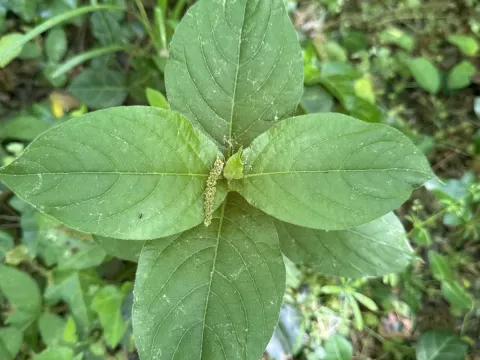
Achyranthes bidentata
Achyranthes bidentata
Sowing of Achyranthes bidentata seeds is typically carried out in early spring once the soil temperature consistently reaches 12–15 degrees Celsius.
What the section contains
Achyranthes bidentata
Growers utilize either direct seeding methods or seedling transplantation to ensure a uniform crop stand across the field area.
Seeds are placed at a depth of 1–2 centimeters, ensuring sufficient moisture is present for successful germination of the small seeds.
Row spacing is generally maintained at 40–50 centimeters to allow for optimal plant development and easy access for mechanical weeding.
Proper seedbed preparation is essential, as the soil should be finely tilled and leveled to prevent deep burying of the seeds during rainfall.
Achyranthes bidentata is a perennial plant within the Amaranthaceae family, traditionally cultivated for its medicinal properties found in its taproot.
The crop thrives in well-drained, fertile sandy loam soils with a neutral pH, as waterlogging is detrimental to the development of the primary root.
It is a light-demanding plant, requiring full sun exposure throughout the growing season to maximize the concentration of active therapeutic compounds.
During the vegetative growth phase, regular irrigation is vital to support robust plant development, especially during periods of low rainfall.
Regular cultivation of the soil between rows is necessary to prevent compaction and ensure adequate aeration for the developing root systems.
The yield of Achyranthes bidentata is largely dependent on the age of the crop, with the second or third year providing the most substantial root mass.
Commercial yields of dry root typically range from 1.5 to 3 metric tons per hectare, depending on soil quality and the applied agricultural management practices.
The root's commercial value is determined by its thickness, length, and the lack of excessive side branching, which simplifies the drying process.
Quality control during the growing phase, including thinning and nutrient management, directly correlates with the final dry weight of the harvest.
Successful management of the plant's nutritional needs, particularly potassium levels, is critical for achieving optimal root weight and chemical quality.
Achyranthes bidentata is susceptible to various fungal pathogens, especially root rot diseases that occur when soil drainage is insufficient.
Pests such as wireworms and cutworms are common threats that feed on the roots, causing significant damage and reducing the marketability of the product.
To mitigate these risks, growers should adopt strict crop rotation practices, avoiding areas previously planted with other susceptible horticultural crops.
Weed control is of paramount importance during the early stages of growth, as the crop is not highly competitive with fast-growing invasive weeds.
Integrated pest management strategies, including the use of trap crops and biological controls, are recommended to maintain high crop health.
Harvesting is performed in late autumn as the plant enters dormancy, which ensures that active compounds are fully concentrated in the root system.
Roots are extracted from the soil, cleaned of debris, and sorted by size to meet the specific requirements of pharmaceutical manufacturers.
Immediate processing after harvest includes thorough washing to remove all soil particles, followed by careful drying in ventilated spaces.
Drying must be conducted at controlled temperatures to prevent degradation of the active saponin components found within the woody tissue.
The final product is stored in low-humidity environments to prevent mould development and ensure the shelf life of the medicinal raw material.