
Schaueria calytricha
Schaueria calytricha
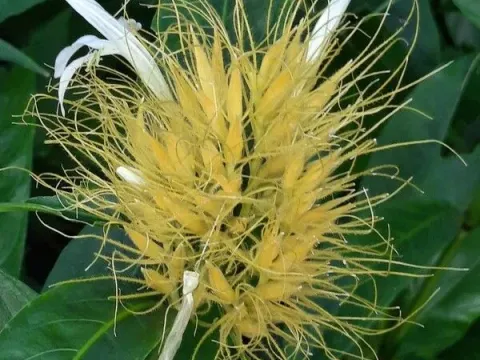
Schaueria calytricha is a unique botanical species belonging to the Acanthaceae family. Native to the tropical rainforests of Brazil, this plant is valued for its distinct architectural form and its striking, fuzzy, golden-yellow inflorescences that bloom in specialized environmental conditions.
What the section contains
Schaueria calytricha
The plant features upright stems adorned with lance-shaped, opposite leaves. Its most remarkable trait is the flower spike, which is densely covered in fine hairs, giving it a soft, brush-like appearance. This feature is an adaptation that highlights its tropical origins and specific pollination strategies.
Cultivation requires conditions that mimic a tropical forest floor. This includes bright, indirect light to prevent leaf scorching while ensuring enough energy for consistent flower production. The plant performs best when kept away from harsh, direct midday sunlight throughout the year.
Soil requirements focus on high organic matter content combined with excellent drainage. A mix of peat moss, perlite, and high-quality loam is ideal for promoting healthy root development while maintaining the necessary moisture levels for the plant's metabolism.
Temperature management is critical for the success of Schaueria calytricha. During the growing season, temperatures between 20°C and 25°C are ideal, while a slight reduction during the winter months promotes dormancy, which is essential for ensuring robust blooming in the subsequent season.
The primary threats to this plant are related to improper irrigation practices. Overwatering often leads to root rot, which is a common fatal condition in tropical species kept in indoor environments where drainage is insufficient or the substrate remains saturated for too long.
Pest pressure is mainly exerted by sap-sucking insects such as spider mites and mealybugs. These pests thrive in dry environments, making it vital to monitor humidity levels and ensure good airflow to minimize the risk of infestations on the delicate foliage.
Fungal infections can emerge when the plant is kept in overly humid, stagnant air without proper ventilation. These infections typically present as leaf spotting or stem decay, requiring immediate isolation of the affected plant to prevent the spread to other specimens.
Chemical control is an option for persistent pest issues, but it should be performed with caution. Using systemic insecticides can be effective, but one must ensure the dosage is strictly calibrated to avoid chemical stress on the plant, which is already sensitive to environmental changes.
Finally, maintaining cleanliness around the plant is a critical part of the overall management strategy. Removing fallen leaves, cleaning the plant surface of dust, and using clean, sterilized pots help in suppressing the development of spores and harmful bacteria.