
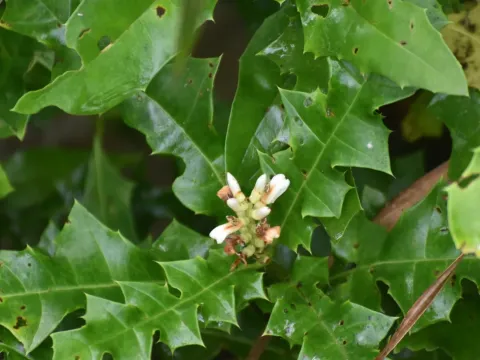
Sea holly
Acanthus ebracteatus
Acanthus ebracteatus is a perennial shrub belonging to the Acanthaceae family, primarily adapted to the challenging environment of tropical mangrove forests. This plant species is known for its ability to thrive in saline soils that are subject to regular tidal inundation.
What the section contains
Sea holly
Botanically, the plant is distinguished by its leathery, prickly leaves and terminal inflorescences. It acts as an essential component of the mangrove ecosystem, providing structural stability to the muddy shores and offering a habitat for diverse coastal organisms.
The environmental requirements for this crop are strictly tropical, necessitating high temperatures and high humidity throughout the entire growing season. It cannot survive in temperate climates or areas where soil salinity drops significantly, as it requires specific saline conditions for optimal growth.
Regarding soil, Acanthus ebracteatus prefers fine-textured, nutrient-rich silt or clay substrates that remain moist. Proper drainage is not a concern, as the plant has evolved to survive in anaerobic conditions common in waterlogged tidal environments.
In terms of agricultural and хозяйственное application, this species is highly regarded in ethnomedicine. Various parts of the plant, particularly the roots and leaves, contain bioactive compounds that are studied for their potential anti-inflammatory and antioxidant properties.
The primary threats to the species are habitat loss due to coastal development, shrimp farming, and climate change affecting sea levels. These factors reduce the naturally occurring populations and disturb the fragile balance of the mangrove ecosystems.
Pests and diseases in Acanthus ebracteatus are primarily linked to the ecological stressors of its environment. Insects like leaf miners and various crustaceans can damage the foliage, while fungal pathogens may thrive if the plant is subjected to stagnant water for prolonged periods.