
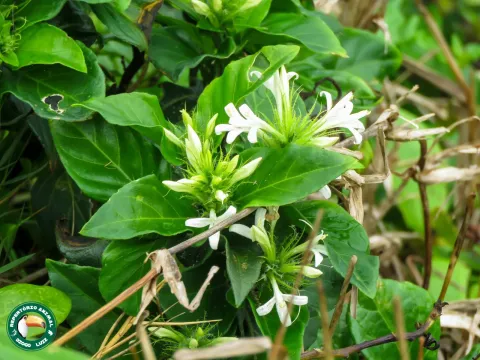
Schaueria
Schaueria
Schaueria is a genus of flowering plants belonging to the Acanthaceae family. Most commonly cultivated for its ornamental value is Schaueria calycotricha, which is characterized by dense spikes of small, bright yellow or golden flowers.
What the section contains
Schaueria
Originating from the tropical rainforests of Brazil, this plant thrives in environments that mimic its native habitat. It is categorized as a tender perennial, sensitive to cold and requiring a controlled, warm environment.
Cultivation requires bright, indirect light. Direct sunlight is generally harmful as it can scorch the foliage and reduce the longevity of the blooms. Consistent ambient humidity is essential for successful growth.
The ideal potting medium should be well-draining, nutrient-rich, and slightly acidic. A mix containing organic matter such as peat or coco coir, mixed with perlite or coarse sand, is recommended for healthy root development.
During the growing season, consistent moisture is required. However, the plant is intolerant to waterlogged soils, which can quickly lead to root rot. Fertilizer application should be focused on the active growth phase.
Spider mites are the most significant pest for Schaueria, especially in indoor conditions where air circulation might be limited. They thrive in dry, warm environments and can quickly infest the undersides of leaves.
Mealybugs are another common threat. These sucking insects settle in the nodes of stems and under leaves, extracting plant sap and weakening the plant. Regular inspection is necessary to manage these outbreaks early.
Root rot, often caused by Phytophthora or Pythium species, occurs when drainage is insufficient. This is a severe threat that often requires total replacement of the soil and pruning of the affected roots.
Fungal leaf spots can occur if the foliage is kept wet for long periods, especially in low-light conditions. Maintaining good airflow around the plant is the most effective preventative measure against these infections.
Integrated pest management, including regular cleaning of the foliage and isolation of new plants, is crucial. Chemical controls should be used as a last resort, prioritizing horticultural oils or soaps first.