
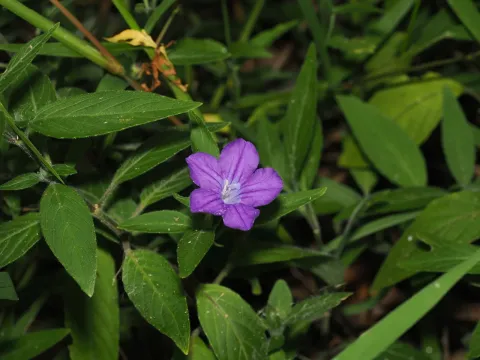
Ruellia squarrosa
Ruellia squarrosa
Ruellia squarrosa is a perennial herbaceous plant belonging to the Acanthaceae family. It originates from the tropical regions of South America, where it thrives in the understory of humid forest environments.
What the section contains
Ruellia squarrosa
The plant requires bright, indirect light to maintain its optimal growth patterns. Exposure to direct sunlight often results in scorching of the pubescent foliage, requiring careful placement in indoor or greenhouse settings.
Temperature requirements are strictly tropical, favoring a range between 20°C and 25°C. The species is highly sensitive to cold drafts and temperature fluctuations, which can trigger leaf drop and physiological stress.
A well-draining, nutrient-rich soil mix is essential for the healthy development of its root system. A blend comprising peat, organic compost, and perlite provides the necessary structure and aeration.
High relative humidity is vital for Ruellia squarrosa. Frequent misting or the use of humidity trays helps simulate the natural moisture levels required for healthy leaf coloration and stem development.
Spider mites are the most prevalent pest affecting this plant, especially when ambient humidity levels drop significantly. These pests can rapidly proliferate on the undersides of the leaves.
Mealybugs and scale insects also pose threats to the plant's health. Early detection is crucial, as these insects can cause stunted growth and nutrient depletion in infested areas.
Fungal issues, particularly root rot, are common symptoms of improper irrigation. Maintaining an appropriate balance between moisture and soil drainage is the most effective preventative strategy against these threats.
Management of pest populations often requires the application of targeted insecticides or horticultural oils. It is advisable to isolate affected plants to prevent the spread of infestations to other crops.
Proper sanitation, including the regular removal of dead or decaying organic matter from the soil surface, helps mitigate the risk of pathogen colonization and ensures a cleaner growing environment.