
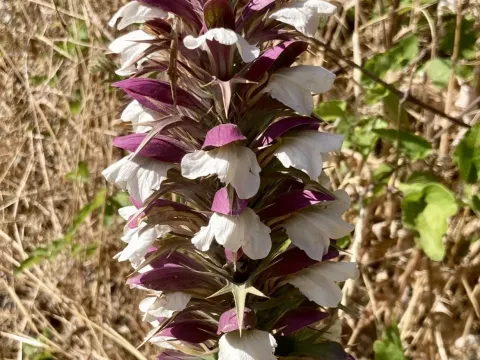
Acanthus spinosus
Acanthus spinosus
Sowing Acanthus spinosus seeds is typically performed in early spring, once the soil has warmed to at least 15–18 degrees Celsius. To ensure successful germination, seeds should be sown in containers during February or March, often requiring a period of cold stratification.
What the section contains
Acanthus spinosus
In regions with milder winters, direct sowing into the open ground is possible. Seeds are sown at a depth of approximately 1–2 centimeters, ensuring sufficient spacing between plants, as the species tends to expand its footprint significantly over time.
The growing medium for seedlings should be light, well-draining, and rich in organic matter. After the emergence of the first true leaves, seedlings are transplanted into individual pots, allowing the root system to develop adequately before the final planting.
Vegetative propagation is also a highly effective method, involving division of mature clumps or the use of root cuttings. This technique is often preferred as it maintains the specific characteristics of the parent plant and results in faster maturity.
Final planting into the garden should occur in late May or early June, once the threat of late spring frosts has passed. This timing allows the plant to establish its roots before the peak heat of summer.
Acanthus spinosus, a member of the Acanthaceae family, originates from the Mediterranean region, which dictates its preference for sunny environments. While the plant thrives in full sun, it can tolerate partial shade in areas with particularly harsh, hot summers.
The plant has specific soil preferences: it requires fertile, well-drained loamy soils. Good drainage is essential, as the fleshy roots are highly susceptible to rot if allowed to sit in waterlogged soil during the winter months.
The ideal soil pH is neutral or slightly alkaline. In heavy clay soils, it is recommended to incorporate sand or well-rotted organic compost to improve soil structure, aeration, and water permeability.
Acanthus spinosus displays moderate drought tolerance once established, but consistent moisture is necessary to support its architectural foliage and impressive flower spikes. During periods of active growth, regular but careful watering is advised.
Winter hardiness can be a limiting factor in colder climates. In such zones, it is necessary to provide a layer of mulch around the crown of the plant to insulate the roots and protect the buds from freezing temperatures.
Acanthus spinosus is generally a robust plant, but it can be susceptible to specific pests and diseases that affect growth and aesthetic appeal. Slugs and snails are the most common pests, as they are attracted to the large, tender foliage in early spring.
Fungal issues, particularly powdery mildew, can occur in environments with high humidity and poor air circulation. Regular thinning of the foliage and ensuring adequate space between plants can help mitigate these risks.
Root rot is a significant threat, usually caused by improper soil drainage or over-irrigation. Ensuring the planting site is elevated or modified for drainage is the primary defense against this pathogen.
Aphids may occasionally infest the developing flower spikes, sucking the sap and potentially weakening the plant. If an infestation occurs, manual removal or the application of insecticidal soap is typically effective.
To prevent disease outbreaks, garden hygiene is crucial. Removing dead leaves and debris from around the base of the plant in late autumn helps reduce the population of overwintering pests and fungal spores.
As an ornamental plant, the harvest of Acanthus spinosus primarily involves the selective cutting of flower spikes for floral arrangements. The plants are harvested when the flowers are fully opened but before they begin to wilt.
Dried arrangements often utilize the unique, architectural seed heads of the plant. These should be cut once they are fully developed and allowed to dry in a cool, dark, and well-ventilated area to maintain their structural integrity.
In landscaping, the removal of spent flower spikes is performed to tidy the garden and prevent the plant from wasting energy on seed production. This practice helps maintain the vigor of the plant for the following season.
At the end of the growing season, the harvest of the foliage is necessary to prepare the plant for dormancy. The leaves are cut back to near ground level after the first killing frost has turned them brown.
Commercial nurseries often harvest the plants by lifting the root clumps for sale. This is done with great care to keep the root ball intact, ensuring that the plant will transplant successfully for the end customer.