
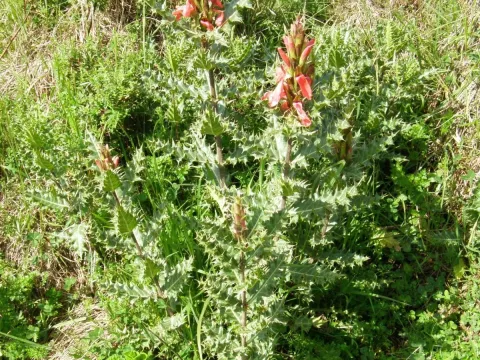
Acanthus sennii
Acanthus sennii
Acanthus sennii is a distinct plant species belonging to the Acanthaceae family, native to the high-altitude regions of Ethiopia. Unlike its Mediterranean relatives, this species has evolved to thrive in specific Afro-montane environmental conditions.
What the section contains
Acanthus sennii
Botanically, it is known for its architectural form, featuring large, intricate leaves and unique flowering spikes that provide high aesthetic value. It typically develops a robust root system that allows it to anchor effectively in rocky or well-drained mountain soils.
For successful cultivation, the soil must be well-drained, porous, and nutrient-rich. Growers should avoid heavy, waterlogged substrates, as the roots are highly susceptible to decay in anaerobic conditions, which are contrary to their natural habitat.
The plant requires moderate environmental conditions, preferring bright, diffused sunlight. While it can withstand periods of dryness, consistent moisture levels during the early stages of growth are crucial for developing a strong root structure before maturation.
The primary use of Acanthus sennii is in ornamental horticulture. Its unique morphological traits make it a specimen plant for gardens, while researchers continue to study its genetic resilience to high-altitude stress, which may offer future benefits for hybridizing garden varieties.
Fungal pathogens, particularly root rot, are the most significant threats to the health of Acanthus sennii. These diseases are almost exclusively linked to poor drainage management and excessive irrigation practices in home or nursery environments.
Pests such as slugs, snails, and certain types of leaf-eating larvae can cause significant aesthetic damage. Implementing integrated pest management (IPM) strategies, including physical barriers and natural predators, is recommended to mitigate these risks.
Nutrient deficiency, specifically related to trace elements, can manifest as interveinal chlorosis. Regular soil testing and appropriate fertilization programs are essential to ensure the plant maintains its vibrant green foliage and robust growth.
Poor ventilation in crowded nursery settings often leads to outbreaks of powdery mildew. Ensuring adequate spacing between plants allows for better air circulation, which significantly reduces the risk of fungal spread throughout the crop.
Effective sanitation is critical. By promptly removing dead or diseased foliage, a grower can significantly lower the inoculum pressure for various pathogens, ensuring the long-term vitality of the Acanthus sennii collection.