
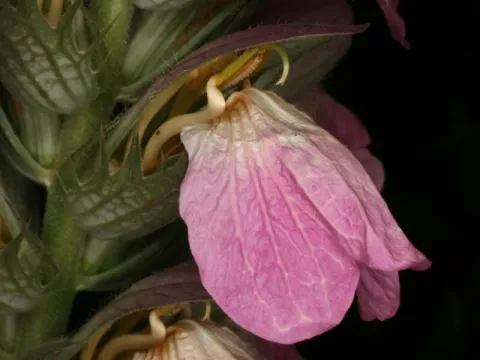
Acanthus dioscoridis
Acanthus dioscoridis
Acanthus dioscoridis is typically propagated through division of the root clumps, which is best performed in the early spring before active vegetative growth begins.
What the section contains
Acanthus dioscoridis
Propagation by seeds is another viable method, though they require a cold stratification period of several weeks to break dormancy and ensure consistent germination rates.
Seeds should be sown in a well-draining seed-starting mix and kept in a cool environment until they begin to sprout, followed by gradual exposure to light.
When transplanting, it is crucial to handle the roots with care, as they are fleshy and susceptible to physical damage, which can lead to delayed growth.
Once established, the plant develops an extensive root system, making it an excellent candidate for stabilizing soil in areas where other ornamental plants struggle.
Acanthus dioscoridis belongs to the Acanthaceae family and is native to the dry regions of the Middle East, reflecting its high tolerance for warm and arid climates.
The plant thrives in full sun to partial shade conditions and requires soil that is deeply tilled, fertile, and provides excellent drainage to prevent root issues.
It prefers neutral to slightly alkaline soil types, mirroring its natural limestone-rich habitats, and benefits from moderate additions of organic matter.
Due to its drought-tolerant nature, once established, it requires minimal irrigation, surviving on moisture gathered by its deep, sturdy taproot system.
During the dormant winter phase in colder climates, it is advised to apply a layer of mulch around the crown to provide necessary insulation against frost.
The most common pests affecting this species are slugs and snails, which are particularly attracted to the large, spiny, and lush leaves of the plant during humid weather.
Fungal diseases, including root rot and mildew, can occur if the soil remains waterlogged or if the planting site lacks adequate air circulation for the foliage.
Aphids occasionally infest the flowering stalks, necessitating careful inspection during the blooming phase to ensure the vitality of the plant is not compromised.
To mitigate these risks, gardeners should maintain a tidy growing environment by removing debris and ensuring that the plant is not overcrowded by weeds or other species.
Integrated pest management strategies, such as using physical barriers for mollusks, are far more effective than chemical intervention for this hardy Mediterranean perennial.