
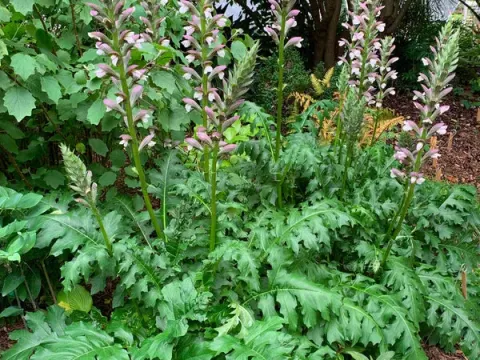
Acanthus hybrids
Acanthus hybrids
Acanthus hybrids are a group of striking perennial plants belonging to the Acanthaceae family. These plants are highly regarded in horticulture for their architectural leaf structure and tall, impressive flower spikes that stand out in any garden landscape.
What the section contains
Acanthus hybrids
Originally native to the Mediterranean region, these plants thrive in temperate climates. They require a location that provides protection from harsh, drying winds and extreme frost, as they can be sensitive to prolonged cold spells during their dormant season.
Success in cultivating these hybrids depends on the soil quality. They require fertile, deep, and well-draining soil. It is crucial to avoid heavy, waterlogged soils, as poor drainage is the most common cause of root rot in this species.
In terms of light exposure, Acanthus hybrids generally perform best in partial shade. While they can tolerate full sun in cooler regions, direct and intense sun in southern climates can lead to leaf scorching, detracting from their ornamental value.
Cultivation practices include providing balanced moisture throughout the growing season and applying a slow-release fertilizer in early spring. Mulching around the base of the plant helps retain soil moisture and suppresses weed growth effectively.
Slugs and snails are the most significant pests for Acanthus hybrids, particularly during spring when new, tender growth is emerging. Implementing physical barriers or using environmentally friendly baits is often necessary to prevent significant leaf damage.
Root rot is a major threat caused by overwatering or soil with inadequate drainage. If the soil remains saturated for long periods, the roots will quickly deteriorate, potentially leading to the total loss of the plant.
Powdery mildew can infect the foliage during humid conditions with poor air circulation. Improving spacing between plants and ensuring good airflow is essential to minimize the risk of this fungal disease spreading across the garden.
Aphids occasionally infest the flowering stalks, drawing nutrients from the plant. While usually not fatal, severe infestations can reduce the aesthetic appeal of the flower spikes, necessitating treatment with horticultural soaps or insecticides.
In regions with fluctuating winter temperatures, crown rot can occur if water accumulates around the base of the plant. Ensuring the crown remains dry and properly mulched during the dormant season is a key aspect of successful overwintering.