
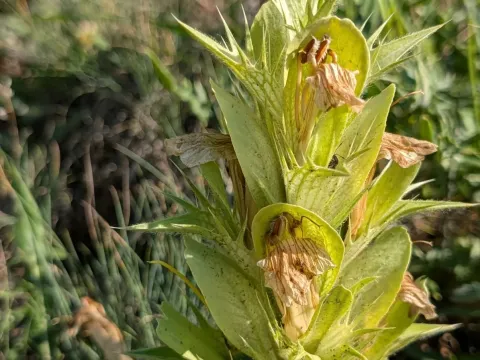
Acanthus hirsutus
Acanthus hirsutus
Acanthus hirsutus is a perennial herbaceous plant belonging to the Acanthaceae family. It is a distinctive species native to Turkey, primarily found in rocky habitats and mountainous areas where it thrives in well-drained, nutrient-poor substrates.
What the section contains
Acanthus hirsutus
The cultural requirements for this plant focus on providing full sun or partial shade. Exposure to sunlight is essential for the development of its signature flowering stalks, although in extremely hot climates, some shade during the peak of the day is beneficial.
Regarding soil conditions, this species is highly sensitive to waterlogging. It requires soils with excellent drainage properties to prevent root rot. Incorporating coarse sand or gravel into the planting hole is a recommended practice to mimic its natural, stony environment.
Botanically, the plant is characterized by its hairy foliage, which provides a unique texture in the garden. Its growth habit is relatively compact, making it suitable for mixed borders and xeriscaping projects where drought tolerance is prioritized.
In terms of climate management, while the plant displays good resilience, it needs protection from severe frost. In colder regions, applying a layer of organic mulch around the base of the plant is vital to insulate the root system during winter months.
Root rot is the most common issue for Acanthus hirsutus, usually caused by poorly drained soil or excessive irrigation. Ensuring proper drainage is the most effective preventative measure against these soil-borne fungal pathogens.
Gastropods such as slugs and snails represent a significant threat, especially during the spring when new growth appears. These pests can rapidly defoliate the plant, requiring the use of physical barriers or targeted biological control methods.
Powdery mildew can affect the leaves, particularly when air circulation around the plant is insufficient. This is most common in humid environments, making proper plant spacing a critical aspect of garden maintenance.
Aphids might colonize the flowering stems, extracting sap and weakening the plant. Regular monitoring of the foliage and flower spikes allows for early detection and intervention using insecticidal soaps or horticultural oils.
To keep the plant healthy, avoid overhead watering, which keeps the foliage moist for too long and increases the risk of leaf spot diseases. Aiming irrigation specifically at the base of the plant is the preferred agricultural practice.