
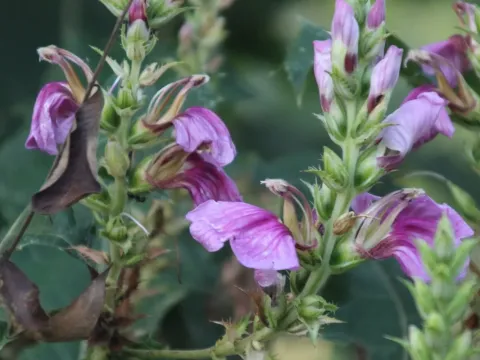
Acanthus polystachyus
Acanthus polystachyus
Acanthus polystachyus is a herbaceous perennial belonging to the Acanthaceae family. The propagation process usually starts with sowing seeds in the spring, once the threat of frost has passed.
What the section contains
Acanthus polystachyus
For containerized propagation, seeds are sown in late winter to ensure strong seedlings are ready for the spring planting season, which is crucial for the slow-growing young plants.
The seeds require a depth of approximately 1.5 centimeters and a steady temperature of about 20 to 22 degrees Celsius to ensure uniform germination rates across the batch.
When sowing directly into the ground, it is essential to choose a location that receives ample light and has been thoroughly weeded to prevent competition during the establishment phase.
Hardening off the plants before transferring them to their permanent outdoor location significantly improves survival rates and increases the plant's overall vigor in its new environment.
This crop thrives in fertile, well-draining soils with a balanced nutrient profile, preferring neutral to slightly alkaline pH levels for optimal root development and leaf production.
Acanthus polystachyus is well-adapted to sunny or partially shaded spots, though in extremely hot climates, some protection from intense afternoon sun is recommended to prevent leaf scorch.
While the plant exhibits moderate drought tolerance once fully established, regular irrigation during the peak growing and flowering season is necessary to maintain its architectural shape.
Winter protection is a critical requirement in temperate zones; applying a thick layer of organic mulch around the root zone helps protect the crown from freezing temperatures.
Regular fertilization with balanced nutrients in early spring promotes strong foliage growth, followed by phosphorus-rich applications to support the development of its signature flower spikes.
Slugs and snails are the most frequent pests, posing a threat to the lush, broad foliage of the plant, especially during damp seasons or in humid conditions.
Effective management strategies include creating physical barriers like gravel around the base of the plant or using integrated pest management to minimize mollusk activity.
Excessive soil moisture is a primary contributor to root and crown rot, which can cause severe damage if the drainage systems are inadequate for the local rainfall.
- Powdery mildew — likely to appear in poorly ventilated garden areas.
- Root rot — a direct consequence of waterlogged soil conditions.
- Gray mold — can affect spikes during prolonged periods of high humidity.
Maintaining proper spacing between individual plants is key to ensuring good airflow, which significantly reduces the humidity levels and the likelihood of fungal outbreaks.