
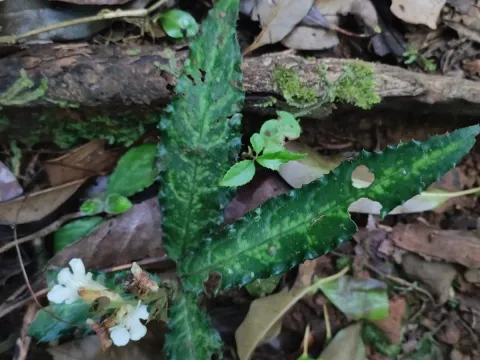
Acanthus leucostachyus
Acanthus leucostachyus
Acanthus leucostachyus is a perennial herb belonging to the Acanthaceae family. Originating from the tropical forests of Southeast Asia, this species thrives in humid environments and represents a visually striking example of tropical flora characterized by its specialized inflorescence.
What the section contains
Acanthus leucostachyus
Botanically, the plant is recognized by its large, deeply lobed leaves that form a robust basal rosette. The inflorescence takes the shape of an elongated, dense spike, which serves as the primary aesthetic feature, distinguishing it from other species within the genus through its specific color profile.
Successful cultivation requires soil that is rich in organic matter and possesses excellent drainage properties. While the plant prefers moisture, standing water is detrimental to its root system, making the establishment of a well-draining substrate a fundamental requirement for gardeners.
Climate-wise, Acanthus leucostachyus is highly sensitive to frost and extreme cold. It performs best in environments where temperatures remain stable throughout the year, and it requires partial shade to protect its foliage from intense solar radiation during peak hours.
The primary utility of this plant is found in landscape architecture and botanical collections. Due to its architectural form, it is frequently used as a specimen plant in shady borders or as part of a tropical-themed garden design where its unique texture can be fully appreciated.
The most significant threat to the health of Acanthus leucostachyus is the onset of fungal diseases caused by excessive soil moisture and poor airflow. Root rot remains the leading cause of mortality in container-grown or poorly situated outdoor plants.
Pest pressure is often linked to the presence of spider mites, particularly in greenhouses or during dry weather. These pests colonize the undersides of the leaves, causing tissue damage that reduces the overall vigor of the perennial and affects its flowering potential.
Gastropods, such as slugs and snails, represent a persistent threat to new leaf growth. Their grazing habits can lead to severe aesthetic damage, making it necessary to implement integrated pest management strategies in areas where these pests are prevalent.
Bacterial leaf spot can also occur under conditions of high humidity combined with limited ventilation. Preventing these issues involves maintaining appropriate plant spacing to allow leaves to dry quickly after rain or irrigation, thus disrupting the cycle of disease development.
Routine maintenance practices, including the removal of yellowing or damaged foliage, are essential for keeping the plant robust. This approach minimizes the surfaces available for pathogen colonization and ensures that the plant remains healthy throughout the growing season.