
Black walnut
Juglans nigra L.
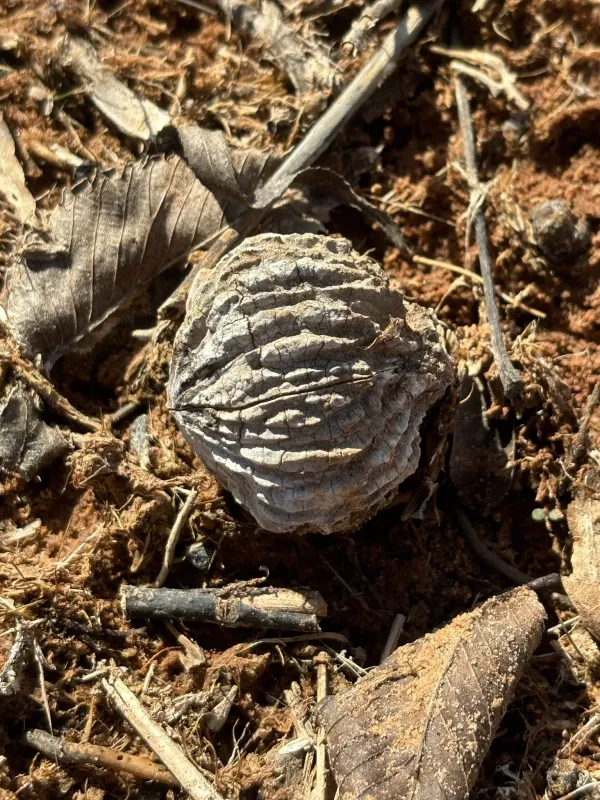
Description
Sowing dates
Sowing black walnut seeds is best performed in the autumn immediately after harvesting, or in the spring following a thorough period of cold stratification.
Seeds should be planted at a depth of 8–10 centimeters, which ensures sufficient moisture retention and protects the nuts from rodents during the winter months.
For establishing commercial plantations, it is crucial to use high-quality seeds from selected productive trees to ensure superior genetic traits for future timber and nuts.
The spacing between rows and individual trees must be wide enough to accommodate the expansive canopy growth that occurs as the trees mature.
Transplanting seedlings to their final location should be done in the early spring, ensuring the roots are well-protected and the soil is sufficiently prepared.
Growing requirements
The black walnut is a member of the Juglandaceae family, prized for both its edible nuts and its exceptionally valuable, dark-colored hardwood.
This species thrives in deep, fertile, and well-drained soils, preferring sites with consistent moisture such as alluvial plains and river valleys.
The trees require full sunlight to reach their maximum growth potential; shading by other species can significantly impede their development and vigor.
While the tree is cold-hardy, it prefers regions with long growing seasons that allow it to fully harden off before the onset of harsh winter temperatures.
Note that the species produces juglone, an allelopathic substance found in its roots and leaves, which can inhibit the growth of many surrounding plants.
Yield
The black walnut is a multi-purpose crop, highly regarded for producing premium lumber that is durable, stable, and aesthetically superior for fine furniture.
The nuts have a rich, bold flavor and are packed with healthy fats, vitamins, and minerals, making them a nutritious addition to the food industry.
Yields typically increase as the tree ages, with commercial harvesting of nuts becoming highly profitable once the trees reach their peak production years.
The wood market for black walnut is consistent, with high prices commanded for clear, straight-grained logs intended for veneer and high-end construction.
Ongoing research into tree breeding aims to develop varieties with faster growth rates and even higher yields of high-quality kernels.
Main diseases and pests
Managing the health of black walnut plantations requires vigilance against a variety of fungal and biological pathogens that can impact tree vigor.
Integrated pest management strategies are essential for identifying and controlling potential threats before they cause widespread damage to the orchard.
- Anthracnose and leaf spot
- White mold and Phytophthora
- Fusarium wilt and Phomopsis
- Bark necrosis
- Root-knot nematodes
Environmental stress, such as prolonged drought or poor drainage, can make trees more susceptible to the aforementioned diseases and pests.
Maintaining strong tree health through proper fertilization and routine pruning of dead wood is the best defense against long-term infestation.
Harvesting
Harvesting begins in the autumn when the fruits drop naturally, signaling that the nuts have reached full physiological maturity and are ready for processing.
Prompt collection of the dropped nuts is necessary to prevent the hull from staining the shell and to avoid the onset of mold or quality degradation.
The hulls are removed shortly after harvest, and the nuts are then cleaned and dried in a well-ventilated area to achieve the ideal moisture content for storage.
Properly dried black walnuts can be stored for extended periods, maintaining their flavor and nutritional profile for market or long-term sale.
Efficient handling during the harvest process is critical to maximizing the value of the nut crop and ensuring a high-quality end product for consumers.