
Description
Sowing dates
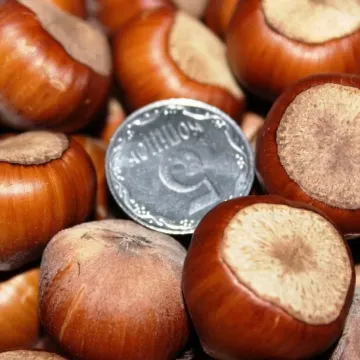
Common hazel (Corylus avellana L.), belonging to the Betulaceae family, is a deciduous shrub or small tree primarily cultivated for its highly nutritious nuts. Propagation is typically performed vegetatively using suckers or layering to ensure the consistency of commercial cultivars.
Planting should be executed during the dormant season, ideally in late autumn or early spring before bud break. Preparing the planting site well in advance, including soil testing and necessary amendments, is crucial for establishing a vigorous root system.
Orchard layout requires careful planning to optimize air circulation and light exposure. Standard spacing ranges from 4x4 meters to 6x6 meters, ensuring sufficient room for growth and the use of mechanical equipment for maintenance and harvesting.
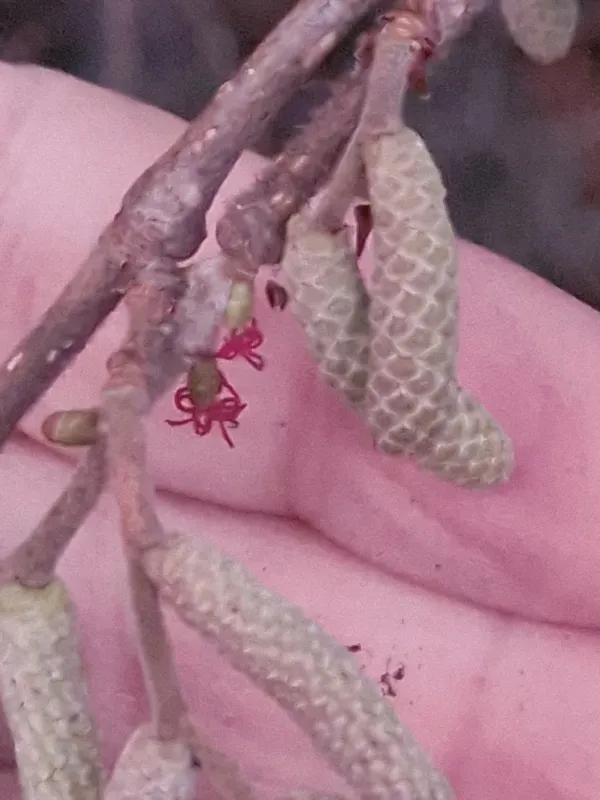
Cross-pollination is essential, as hazelnuts are monoecious but self-incompatible. Growers must integrate at least three to four compatible varieties within the orchard to ensure reliable nut set and maintain high yield potential throughout the years.
Training the plants into a bush or single-stem tree structure during the first years is vital. Pruning helps remove suckers, controls height, and opens the canopy to sunlight, which is necessary for the development of productive fruiting wood.
Growing requirements
Hazelnuts thrive in temperate climates characterized by cool, humid summers and mild winters. They are adaptable, yet they perform best when protected from extreme late-spring frosts, which can damage flowers and significantly impact nut production.
Soil quality is a critical determinant of success. Deep, well-drained, fertile loam soils with a pH ranging from 6.0 to 7.5 are optimal. Avoid planting in heavy clays prone to waterlogging or excessively sandy soils that retain poor moisture.
Irrigation management is a cornerstone of modern hazelnut farming. Providing consistent water, particularly during the flowering stage and the critical period of nut sizing in early summer, significantly boosts both yield and kernel weight.
Sunlight exposure must be maximized for consistent ripening. Orchards located on slopes with good solar orientation generally show better resistance to diseases and produce higher quality nuts with improved oil and protein content.
Nutrient management should be based on periodic leaf and soil analyses. Nitrogen, phosphorus, and potassium levels must be carefully balanced to support vigorous foliage growth and reproductive success without promoting excessive vegetative growth.
Yield
Hazelnut trees typically begin to produce a significant yield between the fourth and sixth years of age. A mature orchard reaches its maximum productive capacity around 10 to 15 years, provided that agronomic standards are maintained.
Yield metrics are highly variable depending on variety, orchard density, and management intensity. Under optimal conditions, including modern drip irrigation and balanced fertilization, yields can exceed 3 to 4 metric tons per hectare.
Long-term orchard productivity relies on rejuvenation pruning. Removing older wood older than 20 years encourages the emergence of new, healthy shoots, which bear more nuts and improve the overall efficiency of the plant canopy.
Management of the harvest period is essential for quality control. Efficiency in gathering nuts quickly minimizes the time they spend on the orchard floor, reducing the risk of pests or environmental degradation of the shells.
Economic viability depends on the uniformity and quality of the final product. Sorting and grading the nuts allow growers to access premium markets, where consistent size and high-quality kernels are highly valued in the global food industry.
Main diseases and pests
Protecting the health of the hazelnut orchard is a multi-faceted challenge. An integrated pest management (IPM) approach is recommended to mitigate the risks posed by various fungal pathogens and insect pests.
- Anthracnose and Septoria leaf spot can lead to premature defoliation.
- Bacterial blight and bark necrosis are severe threats that require swift intervention.
- Rust and powdery mildew are common issues that weaken the overall vitality of the shrub.
- Mycosphaerella leaf spot and Phomopsis are persistent diseases that need proactive treatment.
Pests, particularly the nut weevil and the big bud mite, require constant vigilance. The nut weevil is especially damaging, as larvae burrow into the developing fruit, leading to significant losses if not managed.
Sanitation is the first line of defense; removing infected branches, clearing leaf litter, and practicing clean cultivation helps reduce the overwintering populations of pests and pathogens within the orchard environment.
Monitoring the orchard using traps and visual inspections allows for timely fungicide or pesticide applications. Targeted interventions based on pest thresholds are more effective and sustainable than calendar-based spraying programs.
Harvesting
The harvest season typically occurs when the involucres (husks) of the nuts turn yellow or brown and the nuts begin to drop naturally. Monitoring this stage is crucial to prevent quality loss and infestation by pests.
Mechanical harvesting is the standard in commercial operations. Specialized equipment, including sweepers and harvesters, gathers the nuts from the ground, which requires a clean and level orchard floor for maximum efficiency.
Immediately after harvest, nuts must be husked and dried to a moisture content of approximately 10%. Proper drying prevents mold growth and the development of mycotoxins, which can make the batch unsellable.
Stored nuts should be kept in cool, dry, and well-ventilated conditions to maintain their quality and shelf life. Protection against rodents and other pests is a must for successful long-term storage.
Final quality sorting ensures that only prime nuts reach the market. By controlling the post-harvest chain effectively, growers can ensure that the hazelnut kernels retain their flavor and texture for processing applications.
In brief
21
Crop diseases
Content graph
Crop diseases · 21
AnthracnoseBacterial wiltBark necrosisBlanching of hazelnutBorro secBrown spotCatkin Blast of hazelnutCrown gallCytospora cankerEastern filbert blightElm leaf blisterFilbert StuntHazelnut kernel spottingHazelnut mosaicHazelnut YellowsMycosphaerella spotPhomopsisPlant RustPowdery mildewSeptoriaTexas root rot
Content graph
Connections · Common hazel
Most often together:
Marketplace
Products · 12


