
Hybrid hazelnut
Corylus hybr.
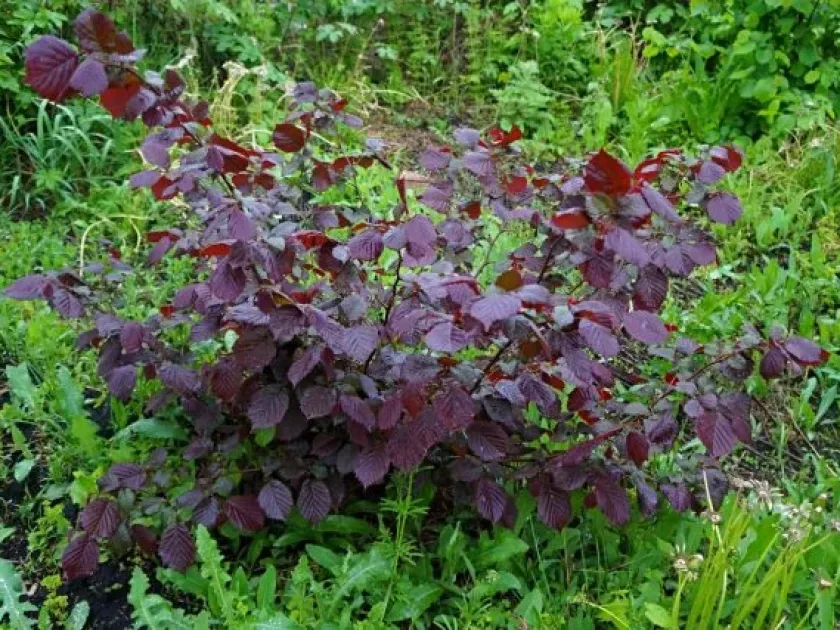
Description
Growing requirements
The hybrid hazelnut (Corylus hybr.) is a cultivated form derived from interspecific hybridization within the Betulaceae family. These plants are prized for their vigor, cold hardiness, and superior nut quality compared to wild hazel species, forming productive shrub-like structures.
Hybrid hazelnuts thrive in deep, well-drained loamy soils with moderate moisture retention. They require a location with full sun exposure to ensure optimal flower bud initiation and fruit development, avoiding frost pockets that could damage early spring blossoms.
Climate requirements include a temperate environment with sufficient winter chilling hours, which varies by cultivar. Consistent moisture is critical during the growing season; therefore, supplemental irrigation is highly recommended in regions with summer droughts to maintain nut size and kernel quality.
Orchard management focuses on consistent soil fertility, typically requiring balanced NPK fertilization tailored to leaf analysis. Pruning should be performed annually to manage plant density, improve airflow, and remove old or diseased wood that may harbor pests and pathogens.
The primary economic use of hybrid hazelnuts is the production of high-quality kernels for the confectionary and snack food industries. Their increasing popularity is due to their nutritional profile, high oil content, and suitability for mechanical harvesting in modern nut orchards.
Yield
Yields of hybrid hazelnuts are significantly higher than those of unselected species. Under intensive orchard conditions, a mature plant can yield upwards of 5 to 10 kg of nuts annually. Commercial plantations typically reach peak productivity within 10 to 12 years of establishment.
Main diseases and pests
The crop is susceptible to Eastern Filbert Blight (caused by Anisogramma anomala), which is a major concern in specific regions. Common insect pests include the filbertworm, which requires vigilant monitoring and targeted integrated pest management strategies during the flight period.
Harvesting
Harvesting usually occurs in late summer or early autumn when the husks begin to turn brown and the nuts drop naturally. In large-scale operations, mechanical sweepers and harvesters are used to collect the nuts, which are then cleaned, dried to a specific moisture content, and stored.