
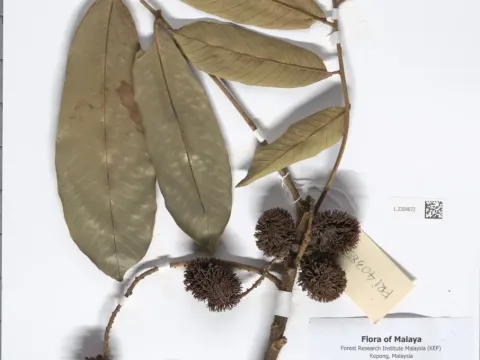
Nephelium cuspidatum
Nephelium cuspidatum
Nephelium cuspidatum is an evergreen tropical tree belonging to the Sapindaceae family, biologically closely related to the well-known rambutan.
What the section contains
Nephelium cuspidatum
It originates from the humid tropical forests of Southeast Asia, thriving in regions with high atmospheric humidity and constant precipitation throughout the year.
For successful growth, the species requires fertile, well-drained loam soils rich in organic matter to support its vigorous root development.
The climate must remain consistently warm, as the tree is extremely sensitive to cold and does not tolerate freezing or even prolonged cool spells.
Effective agrotechnical practices include maintaining moderate soil moisture and protecting the trees from strong winds that can cause leaf desiccation.
The primary economic value of Nephelium cuspidatum lies in its edible fruits, which are appreciated for their sweet, succulent, and aromatic pulp.
The tree typically enters the bearing stage several years after planting, depending on climatic conditions and the quality of agricultural management provided.
Harvesting is performed manually to ensure fruit quality, as the delicate skin of the fruit can be easily bruised during mechanized collection attempts.
The fruit is mainly consumed fresh but is also suitable for processing into jams, jellies, and various tropical beverage formulations in local markets.
In addition to food production, the timber of the tree is occasionally used in local woodwork due to its density and suitability for smaller craft projects.
The crop is vulnerable to various pests, most notably fruit flies, which can inflict significant economic losses if not managed during the fruit maturation period.
Scale insects and aphids are also frequent threats, as they colonize young shoots and foliage, extracting sap and reducing the tree's overall vitality.
Fungal diseases, including anthracnose and root rots, represent major risks, particularly when high humidity is combined with poor airflow within the canopy.
Effective management requires a combination of sanitation practices, including pruning and the removal of infected plant materials from the orchard.
- Regular inspection of the fruit set to detect early signs of pest infestation.
- Application of sustainable pest control methods to minimize chemical residues.
- Ensuring adequate spacing between trees to promote air circulation and disease prevention.