
Nephelium uncinatum
Nephelium uncinatum
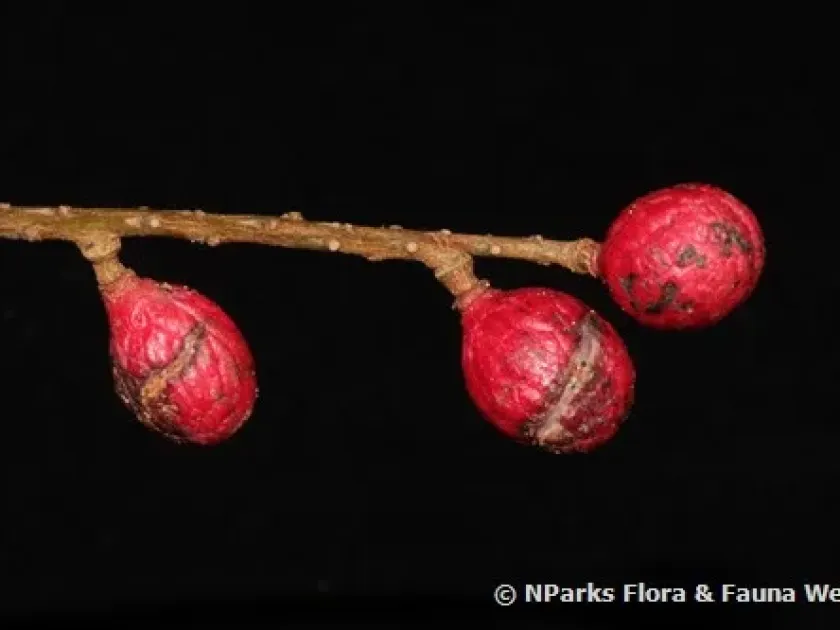
Description
Sowing dates
Nephelium uncinatum is a perennial woody plant, typically propagated in agricultural settings through seed germination or vegetative cuttings in controlled nurseries.
Seeds are known for their short viability, necessitating prompt sowing immediately after harvest to ensure high germination rates in a nutrient-rich substrate.
In nursery environments, maintaining a consistent temperature and high humidity is crucial for the early development of seedlings during their first growing season.
Young plants are kept under protection until they reach a robust size, ensuring a well-developed root system before they are transplanted to the orchard.
Planting density is calculated based on the expected canopy spread of the mature tree, which allows for efficient field management and long-term productivity.
Growing requirements
As a member of the Sapindaceae family, this species thrives in tropical climates characterized by constant warmth and high ambient humidity levels.
Soil requirements involve well-drained, deep, and fertile loams that allow the root system to penetrate deep into the ground without waterlogging issues.
The tree requires significant sunlight to promote flowering and fruit development, thus avoiding shaded locations is essential for crop success.
Protection from strong winds is highly recommended, as mechanical stress can cause damage to the fragile branches and lead to premature fruit drop.
Nutrient management through the application of organic and mineral fertilizers is necessary to maintain soil fertility and support vigorous yearly growth.
Yield
The yield potential of Nephelium uncinatum depends on the maturity of the orchard and the precision of the applied horticultural practices.
Fruit set and development occur in clusters, with productivity increasing significantly as the trees enter their peak production years.
Regular pruning is a vital agronomic practice that facilitates light penetration, improves air circulation within the canopy, and simplifies harvest operations.
Yield stability is maintained by balancing irrigation needs, especially during critical stages of fruit enlargement, to prevent physiological disorders.
Consistent output of high-quality fruit requires strict adherence to fertilizing schedules and monitoring of plant health throughout the vegetative cycle.
Main diseases and pests
The primary threats include various tropical pests, such as fruit flies, which can significantly damage the quality and marketability of the harvested produce.
Fungal diseases affecting the leaves and woody parts are common in high-humidity environments, requiring proactive sanitation and careful canopy management.
Root rot, often caused by poorly drained soil or excessive irrigation, represents a major risk that can lead to the loss of entire tree specimens.
Integrated pest management strategies are preferred to control harmful organisms while protecting beneficial insects and maintaining environmental safety.
Regular scouting of the orchard allows for early detection of potential threats, enabling timely interventions before widespread infections occur.
Harvesting
Harvesting is performed manually to ensure that each fruit cluster is handled with care, as the skin is delicate and susceptible to mechanical injury.
The timing of the harvest is crucial, with maturity indicated by specific color changes and a softening of the characteristic hooked structures on the peel.
Post-harvest handling involves cooling the fruit quickly to lower its respiration rate and extend its shelf life for retail and distribution purposes.
Proper sorting and grading are carried out immediately after harvest to remove any damaged or underdeveloped fruits from the final commercial batch.
Efficient logistics are required to move the fruit quickly from the orchard to the market, as its shelf life is relatively short under ambient conditions.