
Nephelium maingayi
Nephelium maingayi
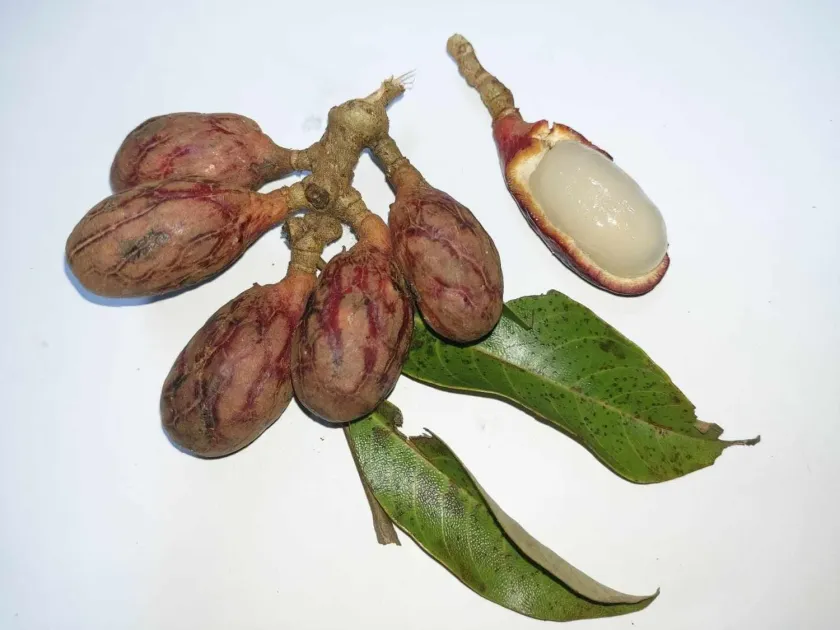
Description
Growing requirements
Nephelium maingayi is a tropical tree species belonging to the Sapindaceae family. It is a close relative of the more commonly known rambutan and thrives in humid, lowland rainforest environments characterized by high annual temperatures.
The cultivation of this species requires deep, fertile, and well-drained soils. Growers must avoid sites prone to waterlogging, as the tree’s root system is susceptible to decay if the substrate remains saturated for extended periods.
The plant performs optimally in temperatures ranging from 24 to 30 degrees Celsius. High relative humidity is essential for the healthy development of its foliage and the overall vigor of the tree.
Good agricultural practices include applying organic mulch around the tree base to retain soil moisture and improve soil structure. This method also supports beneficial mycorrhizal activity, which is crucial for nutrient uptake.
Formative pruning is recommended to maintain the tree at a manageable size and to ensure adequate sunlight penetration into the inner branches. This enhances the tree's health and promotes better flowering and fruit set.
Yield
The fruit of Nephelium maingayi is a small drupe, typically covered in soft, fleshy protuberances. The onset of fruiting varies depending on the tree's maturity and its specific environmental conditions.
Productivity is highly dependent on successful pollination. In managed orchards, ensuring a healthy population of local insect pollinators is critical for achieving consistent and profitable harvests.
Harvesting is usually a multi-step process, as fruit maturation is often non-simultaneous. Careful manual picking is required to prevent bruising the delicate skin of the fruit during collection.
The fruit is mainly consumed fresh due to its sweet and pleasant flavor. In some regions, small-scale processing into jams or fruit preserves provides additional economic value to the harvest.
Varietal differences significantly impact fruit size and shelf life. Advanced agronomic programs focus on selecting clones that exhibit high yield consistency and resistance to local environmental stressors.
Main diseases and pests
Fungal diseases are the primary concern for Nephelium maingayi, particularly during periods of extreme humidity. Proper air circulation achieved through strategic pruning is the best preventive measure against such outbreaks.
Insect pests, including various fruit flies, can damage the maturing crop. Integrated pest management (IPM) strategies, which combine cultural practices and biological controls, are highly effective in managing these risks.
Sucking insects can often be found on young growth, causing stunted development. Routine scouting and early detection are vital to maintaining the vitality of the trees throughout the growing season.
Root rot, often caused by poor drainage or over-irrigation, represents a serious threat to tree survival. Maintaining a balanced irrigation schedule is fundamental to preventing the development of these soil-borne pathogens.
Strict sanitation protocols, such as cleaning pruning tools between trees, are necessary to prevent the mechanical transmission of diseases throughout the orchard. These efforts are essential for long-term production success.