
Nephelium subfalcatum
Nephelium subfalcatum
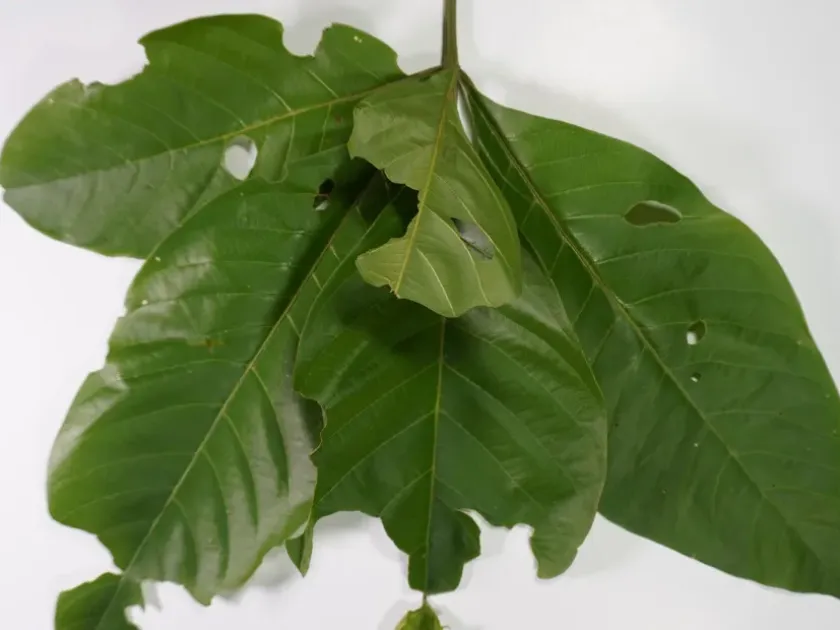
Description
Growing requirements
Nephelium subfalcatum is an evergreen fruit tree belonging to the Sapindaceae family. It is biologically related to the well-known rambutan and originates from the humid tropical forests of Southeast Asia, where it thrives in high biodiversity environments.
The plant demands deep, fertile, and well-drained soil types. It is particularly sensitive to waterlogging, as the root system requires adequate aeration to prevent fungal infections. A slightly acidic to neutral soil pH is considered ideal for this species.
Climatic requirements are strict: the tree grows best in tropical regions with high annual rainfall and minimal temperature fluctuations. It does not possess any frost tolerance, and even short exposure to cold can cause permanent physiological damage.
In terms of light, the young saplings perform best in partial shade, while adult trees require full sunlight to optimize their photosynthetic activity. Proper spacing is essential to ensure maximum light penetration into the canopy.
Agricultural management includes regular mulching and consistent irrigation, especially during the fruit-setting stage. Protecting the orchard from heavy winds is a fundamental requirement to preserve the integrity of the branches and fruits.
Yield
The primary agricultural utility of Nephelium subfalcatum lies in its edible fruits, which are consumed locally. These fruits are valued for their succulent pulp and high content of various nutrients and health-promoting compounds.
Yield capacity is influenced by tree management, particularly pruning techniques that encourage the development of lateral fruiting branches. Ensuring a balanced intake of nutrients is critical for achieving optimal yields during the harvest cycle.
Harvesting is typically performed by hand once the exterior color indicates maturity. Due to the high perishability of the fruits, they are usually consumed or processed shortly after being picked to maintain their nutritional profile.
Productivity can be managed through sustainable farming practices, including organic fertilization and integrated pest management to minimize reliance on synthetic chemicals. Well-maintained trees show consistent production trends over several years.
Ongoing research focuses on improving the post-harvest shelf life of the fruits, which is currently the main limiting factor for broader commercial distribution. Improving cold storage logistics is key to future market expansion.