
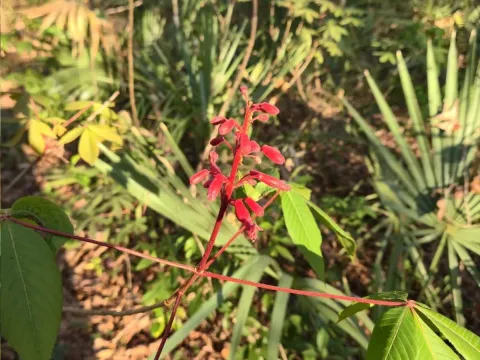
Painted buckeye
Aesculus splendens
The Painted buckeye (Aesculus splendens) is a unique perennial species belonging to the Sapindaceae family, native to the southeastern regions of the United States. It is recognized for its ornamental potential and distinct foliage, making it a sought-after specimen for botanical collections and naturalistic landscape designs.
What the section contains
Painted buckeye
This species thrives in nutrient-rich, moist, and well-drained soils. A crucial factor for successful cultivation is ensuring that the soil pH is slightly acidic to neutral, as extremes in acidity can severely restrict the tree's nutrient uptake and overall growth vigor.
Climatic requirements involve moderate temperatures and protection from harsh, dry winds. While the tree can tolerate various environmental conditions, it performs best in sheltered locations where it receives dappled sunlight during the peak of the day.
A standard agricultural approach for this plant includes consistent mulching, which serves to regulate soil temperature and retain moisture. It is advisable to maintain a healthy layer of organic mulch around the root zone, ensuring it does not directly contact the trunk of the tree.
In terms ofхозяйственное utility, the species is primarily valued for its aesthetic contribution to horticulture. It serves as an excellent example of biodiversity in managed forests and urban parks, providing ecological value through its flowers which attract local pollinators.
Common pathological threats include fungal leaf spot and blight, which are prevalent in areas with high humidity or poor air circulation. Proper pruning and maintaining adequate space between trees are fundamental strategies for mitigating these issues.
Insects such as mites and boring beetles represent the primary pest risks for this species. Integrated pest management, including regular inspection and the use of targeted treatments during the early infestation stages, is necessary to protect the structural integrity and health of the tree.