
Pappea
Pappea
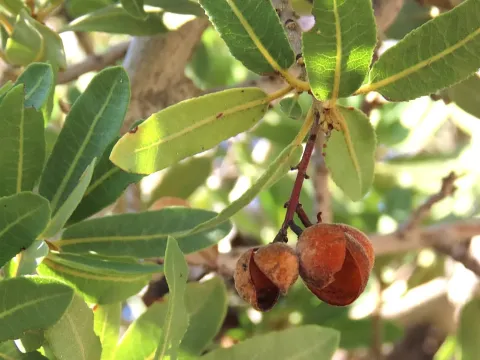
Pappea (Pappea capensis) is an evergreen tree of the Sapindaceae family that naturally grows in the arid and semi-arid regions of Africa.
What the section contains


Pappea
The plant is characterized by high drought resistance and the ability to adapt to poor, rocky soils, making it a promising candidate for reforestation under harsh conditions.
The crop prefers well-drained areas with a neutral or slightly alkaline soil pH, while it is extremely sensitive to excessive moisture and waterlogging.
Optimal climatic conditions for tree development include long periods of solar radiation and the absence of severe frosts, as young specimens can perish in cold temperatures.
From an agrotechnical perspective, it is essential to protect seedlings from wildlife and excessive trampling during the initial growth stages in the field.
Pappea is valued for its fruits, which are small capsules containing seeds with a high content of edible oil, often comparable in quality to olive oil.
The tree begins to bear fruit a few years after planting, with the volume of the harvest directly depending on the regularity of rainfall during the flowering and fruit-setting period.
The seeds of the plant contain up to 40–50% oil, which finds wide use in local cooking, soap production, and the cosmetic industry as a moisturizing ingredient.
Economic utility also includes the production of high-density timber, which is known for its durability and is used in woodworking.
Traditional harvesting methods involve manual collection of ripe fruits, as mechanization is difficult due to the specific nature of its habitat.
The main threats to Pappea plantations are associated with infestations of various caterpillars and wood-boring beetles that can damage the bark and young shoots.
In conditions of high humidity, the tree can be susceptible to fungal diseases, leading to root rot and premature leaf drop.
Pest management on a commercial scale is complicated by the slow growth rate of the crop, necessitating a systematic approach to monitoring the health of the stands.
Wildlife often feeds on young foliage, making the construction of sturdy fencing an essential step when establishing new plots.
Despite its high resilience, a lack of proper care and monitoring of phytosanitary conditions can lead to a decrease in fruit yields.